New Zealand Accommodation Guide for International Students
28 Jan 2026
Securing a suitable place to stay during your time as an international student is one of the most challenging but essential steps involved in your preparation for studying in the country of your dreams. New Zealand is a great place for international students, offering a welcoming environment and vibrant student life. Your place of staying will end up influencing your budget, routine life, socialization, as well as your academic experience. There are a wide variety of choices involved here, including university residences and homestay stays.
New Zealand is renowned for its high quality education and top universities that are recognized around the world. Many students choose to study abroad in New Zealand because of its major universities and global reputation.
This guide will give you all the information you need to make informed decisions about student housing in New Zealand. Starting from common housing options in New Zealand and their associated fees to choosing the right housing options based on your lifestyle needs in New Zealand, this blog will guide you in making the right decisions before and after landing in the country.
New Zealand Student Accommodation 101: What International Students Need to Know
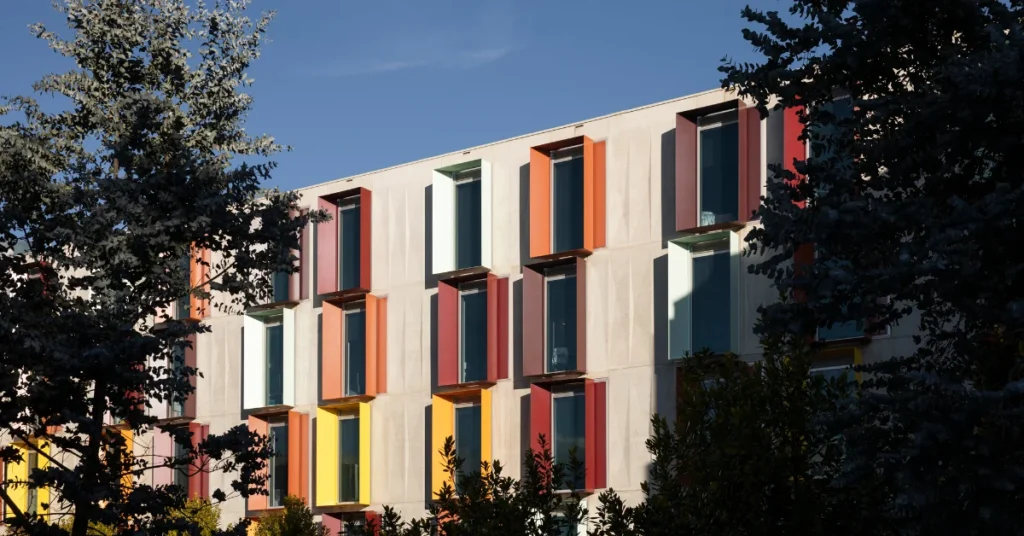
Selecting the right place to stay is among the most critical choices you will make as an international student in New Zealand. The place you stay in the new land will have links with your budget, lifestyle, security, convenience, as well as the study experience you will get. Unlike other nations, the price range of the place you stay in New Zealand is significantly different based on the type of accommodation you choose as well as the location of the place you are studying.
The most significant expense for most students after paying tuition can be accommodation. Since it is always a large portion of your costs every week or month, understanding what is available in terms of costs is important before embarking on your education. Costs can vary significantly depending on the city and accommodation type you choose, so it is essential to research both factors when planning your budget.
Why choosing the right accommodation matters
Living arrangements can be particularly important for international students. The right living arrangements can affect almost all levels of the college experience. Living in a safe, convenient location close by can mean shorter travel times, leaving more time for study, socializing, and activities that contribute to a positive college experience. The right accommodation can also enhance your overall university experience by providing easy access to campus resources and social opportunities that support both academic success and personal growth. Living in the wrong location can increase stress levels.
Decisions about where to live will also influence your social experiences, for instance, living in halls of residence or other accommodation designed for students may facilitate meeting people, although flatting (i.e., living with others in a shared house) may allow more autonomy but with more need for communication skills and money management.
Typical cost ranges for international students (weekly/monthly)
The cost of accommodation differs greatly based on your choice of:
- On-campus living: The cost of living in halls of residence or university-owned rooms may vary from NZD $250 to NZD $480 a week, depending on the location and whether meals or utilities are provided. These are ideal for first-year students.
- Shared flats / flatting: Renting a room in a shared flat with other students is often relatively affordable, starting at NZD $120-300 per week, but this will not include the cost of utilities and meals.
- Homestay with a Local Family: Homestay arrangements with a local New Zealand family, where meals and utilities are included, cost between NZD $280 to NZD $400 per week and may be recommended for new international students to New Zealand.
- Private rentals/Studios: If you prefer a private apartment or a separate space of your own, then be ready to pay between NZD $300-$600+ per week depending upon its location.
In more general terms, international students in the country of New Zealand can expect to budget a minimum of NZD $20,000 to NZD $25,000 in a year for living expenses such as accommodation, utilities, food, and transportation, with accommodation costs being the highest of these expenses. Tuition fees are another major component of the total cost for international students, and these can vary widely depending on the academic program and institution.
Main Types of Accommodation
As an international student studying abroad in New Zealand, you will have a number of different living arrangements available to choose from, including university halls of residence, homestays, shared flats, and private apartments for those seeking more independence and privacy. Private apartments are furnished, fully equipped living spaces ideal for students who value personal space and convenience, often located near campus. Zealand universities offer a wide range of accommodation options to suit different student needs, helping you find the best fit based on your study priorities and personal preferences.
On-Campus Accommodation (Halls of Residence)

Residential halls, also known as halls of residence or university residences, are among the most common choices for international students who join an institution for the first time. University halls are especially suitable for an exchange student seeking a convenient and supportive environment. Many halls are located within walking distance of campus facilities, making daily commutes easy and providing quick access to university resources. Residential halls are normally placed either inside or near institutions, making it easier for you to commute and increasing your chances of socializing. They contain dormitory rooms, common facilities, and sometimes meals.
Students make choices based on the convenience and community services that come along with the residential halls to help you adapt to university life. While prices may vary, you can anticipate around NZD $250 to NZD $480 per week on average in terms of housing cost.
Homestay with a Kiwi Family

A homestay means you will be staying with a local host family from New Zealand. Homestays are often the first choice for international students seeking cultural immersion and a supportive environment. Living with a local host family provides an authentic New Zealand experience, including meals, a private room, and shared common areas. Services like Host Families NZ are reputable for arranging homestays, guiding students through the application process, and ensuring high standards and transparent fees.
Because of the support and food provided, the costs of homestay are slightly higher compared to flatting, but for students moving to NZ or wanting a gentle introduction into the Kiwi lifestyle, it may well be worth it. The average prices could be between NZD $250-$400 per week.
Shared Flats / Flatting (Off-Campus)
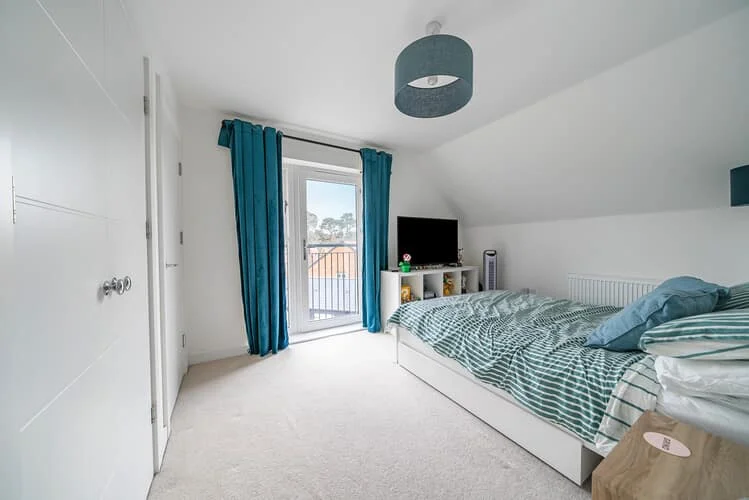
Flatting is the Kiwi way of describing the act of sharing a house or apartment with fellow students or young individuals. It is among the most popular choices that students opt for when they become accustomed to the idea of living away from their parents. It is more flexible with regards to rent as compared to the halls of residence.
It can take a while to find a decent flat, especially after the beginning of an academic year, but a flat is easier to come by after your arrival in NZ. The typical rental rate for a flat is a weekly NZD $120-300, but this may vary depending on your location and number of flatmates.
Private Rentals and Studios
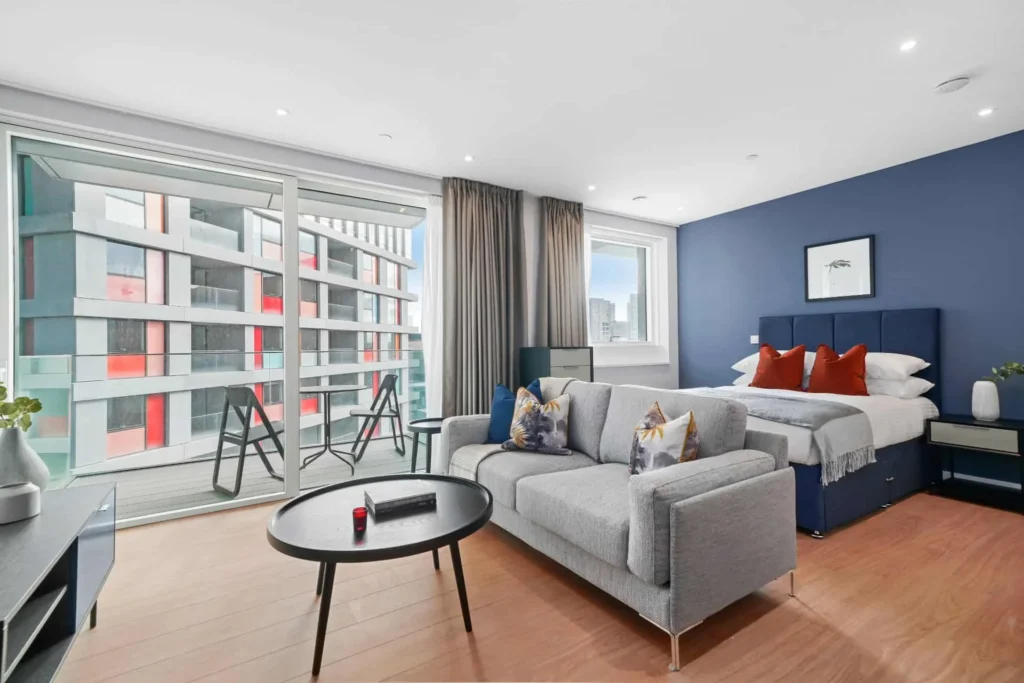
Apartment rentals or studios are great for students who are looking for ultimate independence and privacy. Students can rent a whole unit or house, but then they have to pay for utilities and internet connectivity, and in some cases, they may have to purchase furniture if it is unfurnished. However, some private apartments are fully furnished, providing all essential items for a comfortable stay. Many private rentals and studios also include dedicated study areas to support students’ academic needs.
This option is normally the costliest; weekly rates range between NZD $300-500+, depending on the town and area of location. Students who would like to stay in private accommodation normally have a source of income or favor a quiet environment as well as being in their advanced levels of study.
Short-Term / Temporary Options (hostels, hotel, Airbnb)
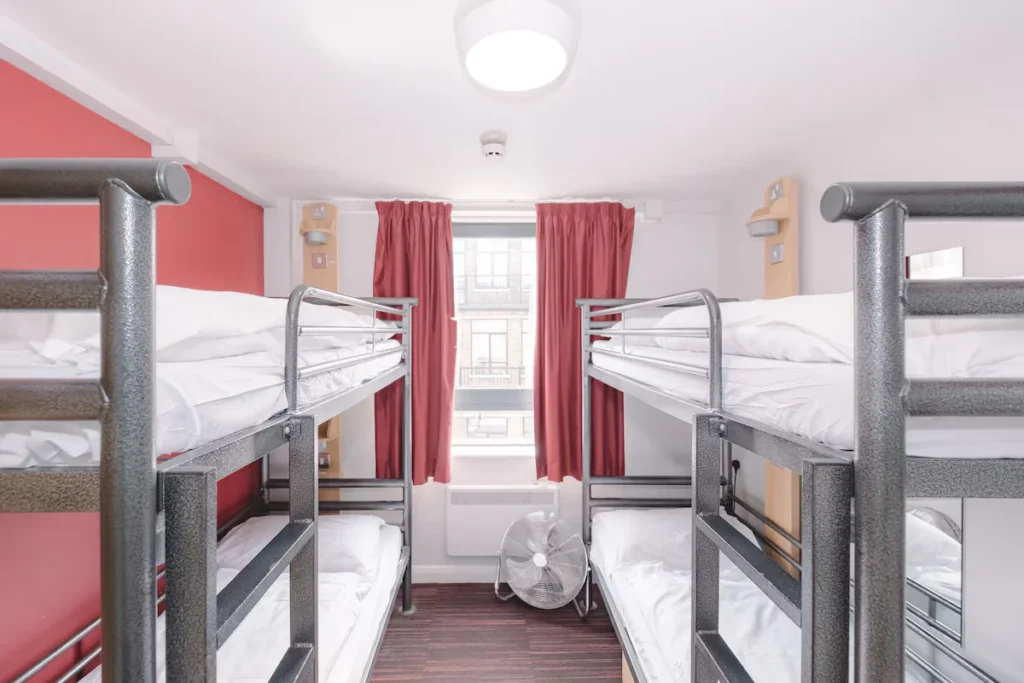
In most cases, before finding a long-term stay, international students seek temporary accommodations to stay in during the initial days or weeks after arrival
Such short-term stays enable you to move into a new place with no worries knowing that you still have time to check out other options for a longer stay. Although you might pay more for accommodation on a daily or weekly basis compared to a long-term stay, you are more comfortable as you are settling down.
Quick Cost Comparison by Type
Understanding how accommodation costs vary in New Zealand can help you budget smarter and choose the best fit for your lifestyle and finances. Below is an overview of typical weekly rent estimates for the most common housing types that international students choose — from halls to private rentals.
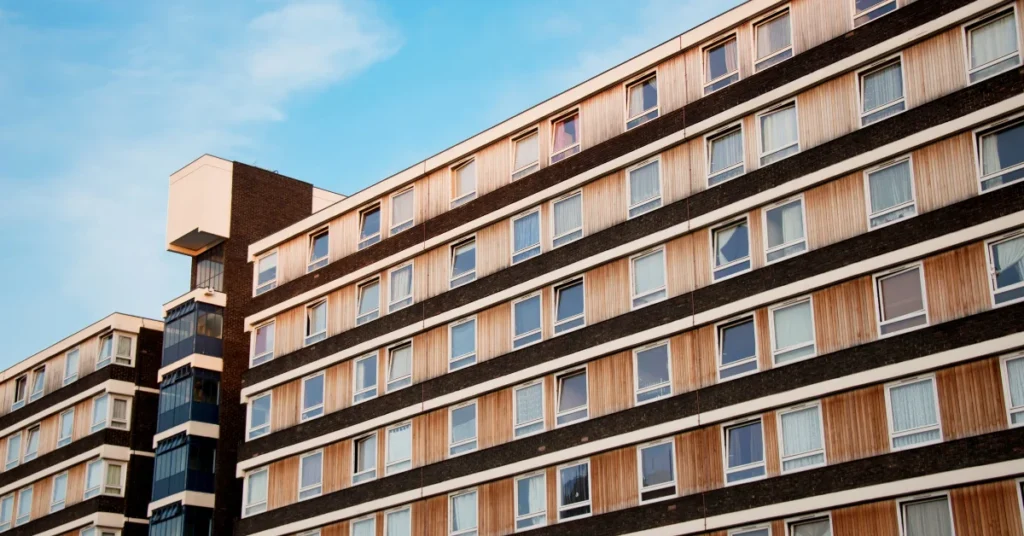
Weekly estimates for halls, homestay, flats, private rentals
This is a general overview of the usual weekly rates of accommodation (in NZD) available for global students in NZ:
- Campus-based residence halls: NZD$250-480 per week, depending on whether it’s with utilities and meals and which city you are in.
- Homestay with a Kiwi family: Costs NZD$250-400 per week and comes with meals and utilities.
- Shared flats / flatting (off-campus): Around NZD $120–$300 per week for a room in a shared house, though utilities may be extra.
- Private rentals and studios: Around NZD $300–$500+ per week for a one-bedroom apartment or studio – one of the most expensive options.
These prices are approximate and will largely be location-specific, depending on the condition of the home, inclusions such as water, electricity, internet access, and whether food is provided.
Cities with higher vs lower accommodation costs (Auckland vs Dunedin etc.)
The cost of accommodation also differs greatly from one city to another. Urban areas serviced by a large number of people, such as Auckland and Wellington, are costlier, while others such as Dunedin and Palmerston North are relatively cheaper. Auckland is home to major institutions like Auckland University, which contributes to its popularity among international students and results in higher accommodation costs.
Here’s a quick comparison of typical weekly accommodation costs by city:
| City | Halls (weekly) | Shared Flat (weekly) | Private Studio (weekly) |
|---|---|---|---|
| Auckland | ~NZD $350–450 | ~NZD $250–350 | ~NZD $400–550 |
| Wellington | ~NZD $330–430 | ~NZD $220–320 | ~NZD $380–500 |
| Christchurch | ~NZD $280–380 | ~NZD $200–280 | ~NZD $350–480 |
| Dunedin | ~NZD $270–350 | ~NZD $170–240 | ~NZD $320–450 |
| Smaller cities (e.g., Invercargill) | ~NZD $230–300 | ~NZD $160–220 | ~NZD $280–400 |
Smaller cities like Dunedin and Palmerston North generally offer the most affordable accommodation options for students, particularly for shared housing or flats, while Auckland and Wellington are typically at the higher end of the price spectrum.
Pros & Cons of Each Accommodation Option

When you’re choosing where to live in New Zealand as an international student, each accommodation type offers a different blend of cost, independence, community, and lifestyle. Finding the right accommodation is not just about a place to stay—it’s about creating a new home that supports your academic and personal growth. Here is a comparison of each of these options to enable you to decide what is most important to you for pursuing your studies.
On-campus – convenience and community
The campus living option (e.g. student halls or residence blocks) is most attractive to freshman students and those seeking a guided and sociable environment.
Pros:
- Extremely convenient location – chances are you’ll be just a short stroll away from your classes, libraries, and university facilities.
- Built-in community and support – halls usually have social activities and support services like advisors from the halls or university, who can assist with issues related to integration.
- Utilities and services included – many on-campus options bundle meals, power, internet, and support into your weekly cost, making budgeting easier.
Cons:
- Higher cost compared to shared flats or some off-campus options.
- Less privacy and independence, especially if you share rooms or common spaces with many students.
- Noise and distractions can be more common given the social environment.
Homestay – cultural support and meals included
Homestay means staying with hosts who belong to a New Zealand family. This can be a great way to get support as you adjust to life abroad.
Pros:
- Cultural Immersion – You will live with a New Zealand family to help immerse yourself in the culture and learn English skills.
- Meals and utilities included in many homestay arrangements, taking cooking and bill-management off your plate.
- Supportive environment – homestay families often act like a safety net when you’re new to the country.
Cons:
- Less independence because you’ll need to follow house rules and routines.
- Limited privacy compared with living with flatmates or on your own.
- Costs can be higher than shared flatting, especially if meals are included.
Flatting – independence and affordability
“Flatting” or sharing a house or apartment with others, is usually the most popular and economical option after the initial semester of college.
Pros:
- Often works out cheaper than halls or host families, particularly if you are dividing accommodation costs with flat-mates.
- More freedom and independence – you decide what to eat, when to do things, and how to run the house.
- Excellent social surroundings – you live with other students, making it easier to build relationships.
Cons:
- Less privacy than in a studio or homestay with family.
- Have to learn to handle bills, housekeeping, and groceries yourself, which sometimes can be a learning curve.
- It is important to find good flatmates since incompatibility in habits can lead to problems.
Private rentals – privacy but higher costs
Private rental units and studios would be available if you want your own place and want either to live alone or with one roommate, though at an added cost, naturally.
Pros:
- Privacy and independence: perfect if you want to spend time alone.
- Flexibility in location and lifestyle choices, you can pick your suburb, type of building, and facilities you want.
- Control over your environment and home, you get to decide what happens, from cooking to home decorating ideas.
Cons:
- This is often the most costly option, especially in major cities.
- You’re responsible for all expenses and upkeep, which increases the cost and work involved.
- Less community support – you will have to create your own social network.
How to Choose What’s Right for You
Picking the ideal place for accommodation when moving to New Zealand as a student is more about making an informed choice between budget, convenience, lifestyle, and personal interests than it is about selecting the cheapest place to live. Here’s how you can weigh the important elements when making your choice so it works towards both helping you succeed academically and keeping you happy.

Budget and cost planning
Your budget is one of the most important factors that will influence your housing decision. International students in New Zealand usually spend a considerable amount of their living cost on housing, and it’s important that you plan accordingly. It is recommended that you spend around 30 to 40 percent of your living budget on housing to ensure that you spend the remaining amount on your food, transport, study requirements, and socializing.
Begin with comparing prices for shared flats and homestay accommodations, as well as private studio apartments and university accommodations, and remember to factor in prices for electricity, internet access, and groceries, not to mention transportation. Shared flats and homestays are possibly going to cost you less than university accommodations.
Consider also any hidden or upfront charges such as bonds, deposits, furniture, or application fees that may apply to homestay schemes or halls – these can soon mount up. For most private rentals, a refundable bond—typically equivalent to four weeks’ rent—is required as a security deposit and is returned at the end of a successful, damage-free tenancy. The earlier that you begin searching for a place to stay, the better prices that you are likely to be able to find.
Distance to campus and transport
Where you choose to live can have a big influence on your lifestyle and transport costs. There might be a situation where living in a place that is almost adjacent to your institution will result in reduced transport costs and plenty of extra time.
If you decide to move a little further out, then check out public transport options in your city. Student discounts are often available on buses, trains, and ferries in most cities in New Zealand (for example, AT HOP cards in Auckland). Walking or biking may also be an option if you are in a compact university town.
Consider your methods of transport for going to class, part-time employment, and basic tasks. Having accessible transport links available can mean a cheaper route – provided you don’t mind a commute, you may be able to get a cheaper rent deal in a different district.
Lifestyle and privacy preferences
Individuals have different ideas in mind for what they might want out of living arrangements throughout their college experience. Some college students would feel best in a community-type setting with lots of other college students around to socialize with; this is common in college dorms or other types of college rentals.
Ask Yourself:
- Are you looking for a social lifestyle with ways to easily meet people?
- Do you like being alone, cooking, cleaning, and doing bills?
- Do you require a quiet area to devote your attention to studying?
- Are you comfortable with roommates? Or would you prefer to have your own apartment?
These are questions you can answer to guide you into selecting an accommodation type that suits you both as a person and as a student. For example, homestays are ideal for their strong cultural support systems and organized settings, while flatting allows you to have more independence with more responsibilities to pay bills and do household chores.
Finding Accommodation (Practical Tips)

Looking for a student residence as a new student in New Zealand can be a daunting task – not to mention doing it from abroad. However, you can secure bookings for accommodation in advance, often by paying a deposit, to ensure your living arrangements are set before you arrive. It is also possible to apply directly to private providers or booking platforms, which streamlines the application process and avoids unnecessary intermediaries. But with a good plan and good sources of information, you’ll stand a much better chance of finding a safe and comfortable place to stay before term. Here are three tips that will make the process easier and safer for you.
Start early and apply ahead of semester start
One of the most basic, yet crucial, tips for the student accommodation game is this: get your search underway well ahead of time, ideally 2-4 months prior to the start of your course. Quality accommodation doesn’t last long on the market, especially in popular student hubs such as Auckland, Wellington, and Dunedin, and by putting your search off until the last minute, not only will you likely find yourselves paying top dollar, but student accommodation desperation is never an attractive quality!
Although many people prefer to arrive early and have a firsthand look around, applying in advance, through virtual tours and portals, allows you to filter out suitable alternatives before flying. That way, you will not be pressed for time when arriving and can pick a spot appropriate for your needs and not just settle for the first available room.
Use official uni housing portals or verified sites
To limit risk and secure genuine sources of information about rentals, consider using the official housing search platforms provided by the institutions of higher education themselves. All universities in New Zealand offer specialized pages that highlight their student accommodations, homestays carefully selected by the institutions, or access to trusted private landlords.
On the other hand, trusted NZ property websites, such as Trade Me Property, NZ Flatmates, and directories specifically for students, may also prove useful by providing you access to plenty of listings. Such websites will often contain detailed information concerning location, price, what is included in the rental, and whom to contact.
University support teams may also be able to assist you with understanding your tenancy agreements or rights and responsibilities. Always remember that official help and university facilities can provide much safer and more secure accommodation.
Watch out for scams and verify listings
Unfortunately, scams in the letting of rentals are not uncommon, and international students in particular may become victims. One should remain vigilant for warning signs that include the advertisement of unrealistically cheap rent, demands for payment before viewing the place, as well as contacts through social messaging applications only.
Here’s how you can protect yourself:
- Do not pay any amount of money before inspecting either physically or through a proper video tour with the landlord or agent.
- Make sure to verify the presence of the listing on several sites; also check that the address and pictures are authentic. Reverse image search can assist with detecting copied pictures used for counterfeit listings.
- Use payment methods that are guaranteed and traceable (such as bank transfer) and only pay the deposit if you have the formal tenancy agreement.
- Refrain from any unsolicited offers that are communicated through social media messages or that try to push you into taking immediate action.
When something sounds “too good to be true,” it probably is; be patient and rely on proven information.
Renting Basics Every Student Should Know
Having your own rental place in New Zealand, whether flatting with friends and flatmates or renting an entire unit, involves a whole set of rules and regulations to serve as a safety net for both parties – yourself and your landlord. Making yourselves informed and educated about tenancy agreements, bonds, utilities, and your rights and responsibilities will ensure that your flatting experience goes without a hitch.

Understanding tenancy agreements and bonds
A tenancy agreement is a contract between you and the landlord that defines a tenancy, which includes things like how long a person stays at a rental property and how much rent they have to pay. It is a requirement that this agreement is in writing and that your landlord provides you a written copy of this document before you enter into a tenancy. If you and your landlord haven’t made a written agreement, a number of provisions from the law governing residential relationships apply nonetheless to protect your rights as a tenant.
A bond is like a security deposit. It’s an initial payment you make (usually up to 4 weeks’ rent) that the landlord holds until you vacate the rental premise. Your landlord is supposed to deposit your bond money into Tenancy Services, a department under the Ministry of Business, Innovation & Employment, within 23 working days after you pay the money. If your rental premise is well maintained at the end of your tenancy agreement, you will get your money back.
It’s also worth knowing:
- You may be asked to pay your rent in advance, possibly up to two weeks at a time, after you move in.
- Landlords do not charge extra fees such as letting fees – this is actually an unlawful practice.
- It is important that all people living in the property who should be tenants are included in the agreement, as flatshare agreements that only involve one person on the lease may not necessarily be protected by standard tenancy laws.
Utilities and additional costs
In addition to rental payments, other costs must be considered. For most tenancies, typical bills that a tenant is liable for include utilities such as electricity, gas, internet, and telephone bills. When this is the case, individuals must establish accounts with these service providers and make direct payments in regard to these if they are not covered through rent payments.
Few things to keep in mind:
- Water rates and wastewater rates may be inclusive or itemized depending on the property configuration – always refer to your contract to determine what you are charged for.
- The following are the basic services that should be provided by the landlords. But you will be responsible for the actual usage.
- You should also budget for contents insurance and any connection charges that may be applicable for services like electricity or water.
Rights and responsibilities as a tenant
You and the landlord also have responsibilities and rights if you rent in New Zealand; the act regulates this through the Residential Tenancies Act to ensure it is a fair and safe environment for all involved.
As a tenant, you are usually responsible for:
- On-time payment of your rent, as well as keeping the place clean and tidy.
- Avoiding damage to the property, as well as informing the landlord when there is a need for repairs.
- Your own utilities (where not provided).
- Cleaning the property when you move out and returning all keys.
You have also to be mindful of your neighbors and not disturb them, and you cannot renovate or upgrade the place in any way, be it painting walls or fitting fixtures, without written consent from your landlord.
Landlords must, in contrast, satisfy these conditions:
- Ensure that the property offered for renting is safe, secure, and complies with health and safety standards.
- Enable you to enjoy the property in peace without any unjustified interference.
- Lodge the bond and provide receipts.
- Comply with other legal requirements such as healthy homes standards and smoke alarms.
Knowledge of these basics is very important to help your tenancy go well, prevent misunderstandings, and look after your rights as a tenant. If you ever wonder about your personal circumstances, sites like the Tenancy Services website, or student support agencies at universities, are great places to start for good advice.
Quick Checklist Before Moving In
It’s no doubt an exciting time moving into your new student living in New Zealand – whether it’s an apartment, rental property, or student housing – but it’s also an occasion where planning ahead comes in very handy. There are several things you can do ahead of time that will prevent you from having problems down the track. Below is an easy-to-follow checklist to ensure you are ready to go.

Budget forecast
Before you settle in any place, you should calculate the budget that would ensure you are able to afford the living in that new place. There are various aspects that you should consider apart from the weekly rent that you pay. These include
- Bond and Rent Payable in Advance: Typically, landlords will want up to 4 weeks bond plus 1-2 weeks rent payable in advance prior to your tenancy commencing.
- Utilities and internet access: Unless they are being covered in rent, consider utility bills and internet access.
- Food and Groceries: Cooking at home would help you save money as well; however, a food budget would be required every week.
- Transportation and other living expenses: This may cover transportation costs, phone packages, as well as other expenses such as entertainment or study materials.
The best piece of advice when it comes to it is to ensure that the overall amount of rent you pay doesn’t go beyond one-third of your budget.
Required documents
For you to secure or finalize where you will be staying, you will need the appropriate set of documents available. These most probably will include:
- Proof of identity, e.g., your passport.
- Reference information, including former landlord or employer references.
- Proof of ability to pay rents, for instance through a bank statement or proof of funds.
- Signed tenancy agreement or confirmation of your booking for halls/homestay.
Being prepared with such documents, preferably in both soft and hard copies, helps facilitate the application process, thus establishing your credibility as a potential lessee in the landlord’s eyes.
Shortlist and viewing plan
Once you know what you can afford and have your documentation sorted out, it is time to make a shortlist of properties as well as view them:
- Options Comparison: Make a list of a few locations that fit your budgets, location, and lifestyles so that you aren’t placing all your hopes in one place.
- Ask the right questions: Arrange viewings and consider what’s being provided (furniture, services), if a bond is involved, and the starting date of the tenancy.
- Check closely: During viewings, whether in person or video call, you want to examine things like condition, moisture, heating, and the way in which the furniture and utilities are laid out.
- Take notes or photos: This will enable you to compare the features and prevent you from hitting a roadblock during the agreement signing.
Organizing viewings and considering two or more options can help you increase your chances of finding a suitable location that is comfortable, affordable, and fitting for your college life. suit you best.
FAQs
Do I have to be a student to live in university accommodation?
The majority of university accommodations (such as halls of residence or university-owned apartments) are designed for those who are also enrolled at the same university. For instance, halls at the University of Auckland can only be occupied by people enrolled there.
Can I request specific preferences for my accommodation placement?
Yes. For instance, there are flats that are linked to some universities that will allow you to state your preference in terms of accommodation, such as wishing to share an apartment with a friend or occupying a particular kind of room, on your housing form. Nevertheless, such decisions are left to the discretion of the service provider.
Do short-term accommodations (like hostels or Airbnb) help in finding long-term housing?
Yes, international students do arrange short stay accommodation first when they first arrive in New Zealand because it allows them to view flats and make a decision on accommodation when they arrive.
Conclusion
Selecting an accommodation option in New Zealand is more than simply selecting somewhere to sleep; it is about developing an environment that serves to facilitate your educational and personal goals. It might be about convenience and community offered through a hall of residence accommodation, a sense of culture through homestay accommodation, or independence through flatting or private tenancies that suit you best.
By carefully planning your budget, understanding some basics of renting, beginning your search well in advance, and knowing your rights in a rental situation, you will be able to go to school in New Zealand without the hassle of stressing too much about your accommodation needs, allowing you to have an enjoyable experience in school.
Related articles :

Moni Vuong
PTE Magic
My name is Moni, and I am a seasoned PTE teacher with over 6 years of experience. I have helped thousands of students overcome their struggles and achieve their desired scores. My passion for teaching and dedication to my student’s success drives me to continually improve my teaching methods and provide the best possible support. Join me on this journey toward PTE success!
Related Blog

28 Jan 2026
How To Study In New Zealand As An International Student

28 Jan 2026
How To Find A Job In New Zealand As An International Student

28 Jan 2026
New Zealand Accommodation Guide for International Students
Frequently Asked Questions
What’s the difference between PTE Academic and PTE Core?
What is PTE Exam Structure and Duration?
How is PTE exam scored?
What tasks are included in PTE Academic?
What tasks are included in PTE Core?
How long is the score valid?
Where can I book PTE Academic and PTE Core exams?
How much does the PTE exam cost?
How can I prepare for the PTE Exam?
Subscribe to our newsletter.

PTE Magic Practice Platform is an AI-powered PTE test prep platform that helps you achieve your desired score with exam-like questions, instant AI scoring, and personalised feedback. Achieve your best PTE score with targeted practice and proven strategies.