Student Accommodation in Canada
27 Jan 2026
Accommodation is among the most influential elements to study success, psychological well-being, and economic stability of any person planning his or her study in Canada. For international students, moving to a new country brings unique challenges, making it essential to be aware of the rental process, local regulations, and housing market conditions. The information on how to find accommodation in Canada for students is not a choice anymore in 2026. It is a core survival skill.
The student housing market has changed due to housing shortages, increased demand, and tightening of screening of tenants. Students will encounter a variety of housing options, including on-campus residences, off-campus rentals, shared housing, and private apartments. This guide entails the entire procedure in practical terms to ensure that students studying in Canada are able to plan properly, make expensive errors and get stable accommodation.
Why Finding Accommodation In Canada Is Challenging For Students
High Demand
Each year, the number of students studying in Canada continues to increase, and most universities and colleges are experiencing higher demand for student accommodation. The rate of enrolment in the universities exceeds that of construction of new housing. This mismatch puts the student accommodation market under persistent pressure, particularly in big cities. Residence halls are often at capacity, which increases competition for other housing options.
Competition
Learners compete with unemployed individuals, local renters and households. Most rentals in Canada are managed by private landlords, which means students often deal directly with owners rather than large property companies. Numerous ads attract dozens of applications in hours. To learn how to find accommodation in Canada for students is to learn how to do things promptly without being reckless. When you find a suitable place, be prepared to sign a legal agreement, as this formal contract outlines your rights and responsibilities as a tenant.
Timing Issues
There is also a lack of supply because the peak times of arrival are in August and January. Students who are late usually pay higher rent or temporary accommodation than projected. Additionally, be prepared for paying a deposit, often equivalent to one month’s rent, to secure your accommodation.
No Rental History
The absence of Canadian rental or credit history puts landlords off. Even first time students can be ignored in studying Canada regardless of their financial preparedness. Demonstrating financial stability can help reassure landlords, even if students lack rental history.
Landlord Restrictions
Other landlords maintain long-term tenants who are working full time. The likes circumvent the choices made by students and elevate their turnover of urges.
When Should Students Start Looking For Accommodation?
Before Vs After Arrival
Pre-arrival viewing lowers the level of uncertainty, whereas face-to-face viewings give clarity. A high number of learners who study in Canada get better results when they get there and are able to check neighborhoods firsthand.
Ideal Timeline
The research is to start 3-4 months prior to arrival. Majority of the students get a place to stay in the first month, though it typically takes time in locations having high demands.
Temporary Stay Options
Temporary housing creates flexibility and minimizes stress. It gives students the opportunity to search in locations and narrow down decisions on where they would like to settle.
Best Months To Search
Fall intake is best with May-July and winter intake is best with the October-November students.
Early Search Advantages
Early search generates more options, decreasing the price and emotional distress of the students studying in Canada.
Step-By-Step Guide To Finding Student Accommodation

Step 1 – Set Budget
It would have to be budgeted on rent, utilities, internet, transport, groceries, insurance and emergency savings, with students prioritizing budget-friendly options to keep accommodation expenses affordable. The winter costs are often underestimated and might be very costly to students.
Step 2 – Choose Housing Type
The possible alternatives are on-campus accommodation, private room, shared room, single room, basement suites, shared houses, apartment, and host families. Sharing accommodations, such as shared houses or apartments, is often the most socially supportive and cost-effective option, as you can split rent and bills with potential roommates. Host families provide a homestay experience with local families, while basement suites and private rooms offer affordable options with shared access to common areas.
Step 3 – Use Trusted Platforms
Authentic platforms are indicative of the actual price and decrease fraud. These are the sites that are at the heart of how to find accommodation in Canada for students safely. Additionally, students can explore Facebook Marketplace for affordable housing options and check bulletin boards at community centers or grocery stores for local rental listings.
Step 4 – Contact Landlords
Clear communication is essential when reaching out to landlords. Easy introductions should cover your student status, length of stay, and financial preparation to enhance response rates.
Step 5 – Inspect & Sign Lease
The condition, safety, and neighborhood suitability are confirmed by looking at the unit. The knowledge of leasing ensures future conflicts.
Step 6 – Know Your Tenant Rights
The provincial tenancy act safeguards students in regard to unlawful deposits, premature eviction as well as discrimination.
Step 7 – Prepare For Move-In
Deposits are safeguarded with photos, videos and written condition reports and aid in clarifying responsibilities.
Best Websites & Platforms For Student Housing In Canada
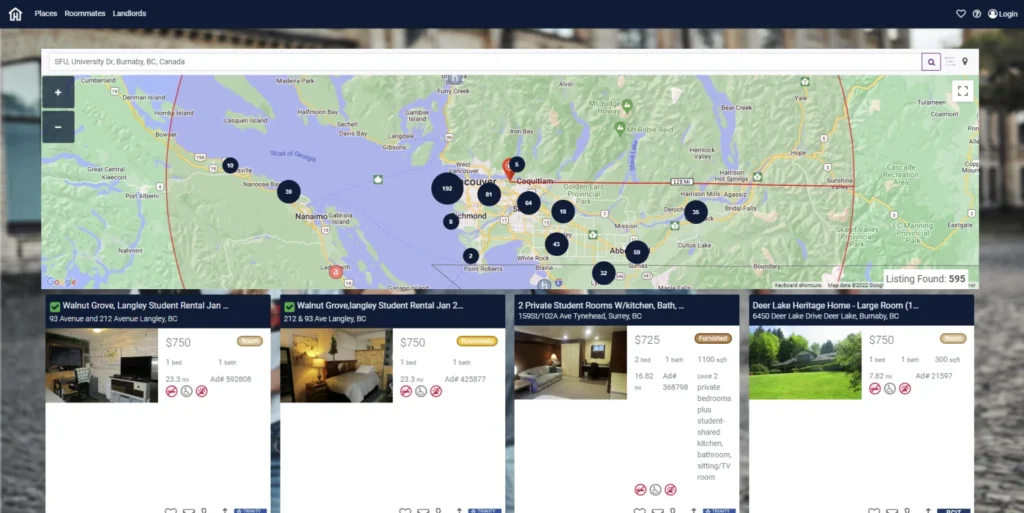
Selecting the appropriate platforms is one of the fundamental processes in how to find accommodation in Canada for students who are preparing to study in Canada, the first time.
University Portals
University living websites are credible websites which present verifiable listings in which students who attend school in Canada typically reside. The portals minimize risk and make it easier to locate accommodation in Canada among the students close to the campus.
Rental Platforms
Social sites such as Rentals.ca, Realtor.ca and Kijiji assist the students to study in Canada through comparing the prices, location and availability of any city. They should be unavoidable in implementing how to find accommodation in Canada for students in the actual market environment.
Student Housing Sites
Student centered housing websites are housing with furnished apartments available, shared apartments and short-term leases which are offered with the view of studying in Canada. The platforms directly assist on the way to find accommodation in Canada among students.
Facebook Groups
Students closely residing in Canada particularly apply Facebook housing groups to conduct joint rents. These organizations are not ineffective; however, they should be checked to prevent frauds.
Immigrant Community Groups
The Immigrant and cultural groups often circulate the housing leads that assist new students to study in Canada, and learn how to get accommodation in Canada to students through referent networks.
Platforms To Avoid
Any website that anticipates deposits prior to screenings or declining the verification should be avoided in learning how to get accommodation in Canada among students.
Documents Needed To Rent In Canada
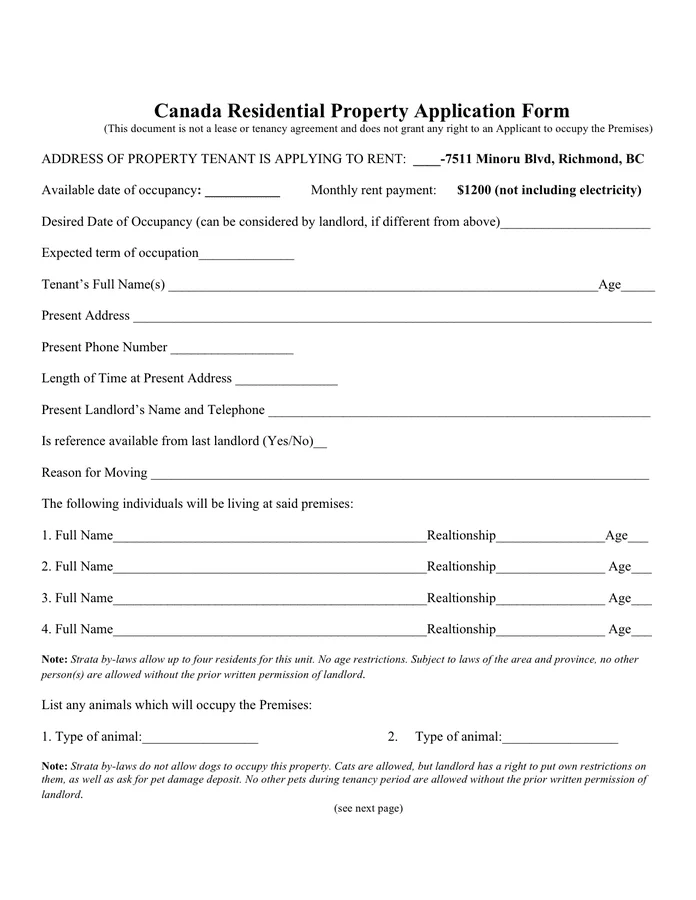
Knowing the documents needed is one of the most vital steps in getting to know how to find accommodation in Canada for students. There are a lot of examples when students fail or are rejected because they did not plan or even know what Canadian landlords require and some of them are optional.
Id & Passport
The most common requirement at the time of renting accommodation in Canada is a valid passport. It is utilized by the landlords to authenticate identity and to confirm that the tenant is a legitimate citizen of the country. In the case of students, the passport usually is checked along with a study permit or visa.
Other landlords will only require to exist with the original during a viewing or he/she might require a scanned copy. When learning how to find accommodation in Canada for students online, students should not at any time post the passport copiers to unproven individuals because they are prone to more identity thefts.
Enrolment Proof
Enrollment evidence is very essential to students. This report will give proof that this individual is already enrolled at a Canadian institution and has a legitimate reason to reside in the city. It would give confidence to landlords that the terms of payment of rent would be linked to an organized academic schedule.
Accepted enrolment proof usually includes:
- Formal acceptance letter as the university.
- Confirmed enrollment at present.
- Tuition payment receipt
A lack of employment income among the students leads to the fact that enrolment proof is frequently used instead of job contracts during the application to the housing.
References & Deposits
Rental references are optional, but they also increase the likelihoods of approval to a significant extent. References can come from:
- Past landlords (local or international)
- University housing offices
- Employers or supervisors
The provincial law is governing security deposits. In the greater part of the provinces the landlords may not receive over one month of rent as a pledge. Any form of request that goes beyond this limit should be of concern to the learners of how to find accommodation in Canada for students.
Bank Statements
A lot of landlords ask them to provide bank statements to be able to determine that students can pay rent. It is typical in the cases of students, who lack Canadian credit history or offer income of employment.
Bank statements typically show:
- Sufficient savings for several months of rent
- Scholarship payments
- Family financial support
The learners are expected to censor information on transactions and disclose only about the necessary information.
Optional Supporting Documents
The rental application can also be enhanced with optional documentations, particularly in competitive cities:
- Scholarship award letters
- Part-time job offer letters
- Guarantor letters (if applicable)
- Personal introduction letter
Although legally optional, these documents may prove a big difference when two or more students are seeking to undertake the same unit.
Average Student Accommodation Costs In Canada
Finding the right place to live is a crucial part of your study abroad journey, and understanding the average accommodation costs in major Canadian cities can help you plan your budget effectively. Affordable housing is especially important for students, as choosing cost-effective options like shared apartments, university-subsidized housing, or homestays can make a significant difference in managing your expenses.
| City | Shared Housing (CAD/month) | Private Rental (CAD/month) |
|---|---|---|
| Toronto | 700-1,100 | 1,400-2,000 |
| Vancouver | 750-1,200 | 1,500-2,200 |
| Montreal | 600-900 | 1,000-1,500 |
| Calgary | 550-850 | 950-1,400 |
| Halifax | 600-950 | 1,100-1,600 |
Rent By City
Rental rates are quite different in Canada according to the different cities where the students study. Shared housing generally ranges between 700 and 1,200 a month in Toronto and Vancouver where it has the highest demand. A typical cost of a house constantly surpasses CAD 1,500 in privately rented houses.
On the contrary, such cities as Montreal, Calgary, and Halifax are cheaper and are becoming popular among students, who study how to find accommodation in Canada for students with limited funds.
Shared Vs Private
Shared housing is the most popular solution as learners learn how to find accommodation in Canada for students. It reduces rent, utility, furniture expenses, and therefore can fit the individual who comes to Canada to study and has a low budget. The benefits of the private rentals include independence, which however are difficult to obtain and are more costly.
Utilities
Rent (utilities) are seldom furnished. In addition to electricity, heating, and water, students studying in Canada can increase their monthly bills by CAD 100-200 on top of their internet participation in the plans.
The heating expenses are highly required during winter seasons, a fact that is not usually taken seriously when being taught on how to find accommodation in Canada for students.
Furniture Costs
There are a considerable number of unfurnished rentals. When implementing ideas on how to find accommodation in Canada, students intending to study in Canada are advised to stock up basic furniture or rely on second hand markets to lower the costs when implementing plans on how to find accommodation in Canada for students.
Budget-Saving Tips
Commuting (non-campus), having more roommates, and residing in older buildings can all help to work around costs during study in Canada.
How To Avoid Rental Scams

In learning how to find accommodation in Canada for students, it is important to discourage scam in rental relations particularly among students who intend to study in Canada abroad.
International students are not an exception as they usually become the victims due to the absence of know-how and pressure to find a place to stay at the earliest opportunity.
Scam Warning Signs
The usual indications of scam involve the listings at significantly lower prices than the ones in the market, the landlords not willing to do video calls or even have the property visited, and demands to pay a deposit before the lease is signed.
Any request to make advance payment without making the necessary documentation is a big tip-off to the students seeking accommodation in Canada.
Safe Payments
One should not make safe payments without signing a lease. Canada has traceable means of transferring funds which include e transfer or bank transfer.
Gift cards, cryptocurrency as well as non established global remittances should never be employed by students in Canada as a way of sending money.
If You Get Scammed
In case of a scam, students should contact their bank immediately and preserve all their communication, and inform the rental platform and the local authorities about the scam. Timely intervention would help curtail the cost and save other students.
How To Verify Landlords
Checking involves ID verification, verifying property ownership, as well as physical or video presence viewing. These measures assist the students in establishing legitimacy in the process of learning on how to find accommodation in Canada for students.
Reporting Scams
Consumer protection agencies, housing platforms and university international offices should put an end to these facilities with rental frauds. Reporting will minimize risks of the students that intend to study in Canada.
Temporary Accommodation Options
How to find accommodation in Canada for students, particularly in the first few weeks after arrival is usually accompanied with temporary accommodation. It gives the students an opportunity to tour neighborhoods and visit real estate viewings without the hurry of signing long term leases.
Short-Term Rentals
Short term rentals provide more flexibility and furnished rooms but tend to be costlier. They should be considered as a transitional period when they seek long term accommodation.
Student Hostels
Student hostels are affordable and social housing, thus the short stay is appropriate. Numerous students studying in Canada utilize hostels during local networking and searching.
Homestay Programs
Homestays will be structured with meals and even utilities. Some homestay programs include a meal plan, providing students with regular meals as part of the arrangement. They are favored by first-year students who are fitting in life studying in Canada.
Airbnb Considerations
Airbnb is convenient yet expensive. This should be used in shorter periods by students as they ensure that they have long term accommodation.
Staying With Relatives
Living with relatives or friends will make the students feel less pressured and less costly as they have time to effectively put into practice how to find accommodation in Canada for students.
How To Evaluate A Rental Property Before Choosing

What To Check During Viewing
The particular areas that students need to check include heating, locks, smoke detectors, water pressure, ventilation and cleanliness. They are factors that have an immediate impact on safety and comfort in case students study in Canada.
Checking Neighborhood Safety
Good neighborhoods are typically well lit, have good transport, are close to grocery stores and their community is visible. These are important considerations to students who are in evening classes or on part-time jobs.
Understanding Building Condition
Older buildings might have low rent but at a high cost of utility bills and maintenance problems. Students have to consider the affordability and in the long run they should become comfortable.
Rights And Responsibilities Of International Student Tenants
Tenant Rights Overview
The law offers protection to students who study in Canada irrespective of their nationality or the visa status. These are the rights to be against unlawful eviction, discrimination, and inadequate living conditions.
Responsibilities Under Canadian Law
The tenants are expected to pay their rent on time, report damages early on, obey the noise regulations, and keep the place clean. Cases of not fulfilling responsibilities may have consequences on future renting.
What Landlords Must Provide
Inhabitable places are the law and landlords are obliged to issue warnings before entry and provide privacy to tenants. Student tenants are equally held to these obligations.
Housing Trends And Predictions For Students In 2026

The trends in houses in Canada play a strong role in determining the best way to get accommodation in Canada for students as the number continues to increase, with the planned number of people planning to study in Canada in 2026.
Increase In International Demand
The number of students studying in Canada is ever-growing and placing pressure on the already strained housing market in the areas around the universities in Canada. It is anticipated that competition will be high.
Modern Student Housing Projects
Purpose-built student housing is growing as a response to the demand of learning how to find accommodation in Canada for students. Convenience is provided in these projects but they also come at an increased rent.
Rising Rent Forecasts
Rent is likely to keep on increasing, particularly in Canada, in the cities that have a high number of students. This renders early planning and shared housing important constituents of how to find accommodation in Canada for students.
How English Proficiency Supports Housing Success
English proficiency can make finding accommodation in Canada an easy task to the students who intend to study in Canada. Effective communication enables the students to reach the landlords with confidence, interpret rental advertisements, and comply with the lease agreements properly.
The good command of English minimizes conflicts during the application process, viewing of properties as well as the communication with property owners in day to day activities. This enhances the acceptance rates and in the process students can easily find appropriate accommodation when studying in Canada.
How PTE Magic Supports Students Studying In Canada

PTE MAGIC serves the interest of students who are about to study in Canada to increase the practical skills of English usage in real-life circumstances, such as accommodation.
Who PTE Magic Is
PTE MAGIC is a Pearson certificate training center that assists students to prepare PTE exams since 2016. The site assists the students of different academic and cultural situations who intend to study abroad.
Courses And Services
PTE MAGIC provides the full online PTE Academic, and PTE Core preparation with live group lessons, individual coaching, artificial intelligence graded simulated testing, and organized skills training in speech, writing, reading, and listening.
How PTE Magic Supports Accommodation And Student Life
PTE MAGIC will enable the students to improve real-life communication in English, comprehend rental ads, compose job-related messages to a landlord, negotiate conditions of the lease and speak with more confidence during the viewings.
These skills directly assist students on how to find accommodation in Canada for students and how they can easily fit once they study in Canada.
Note: PTE MAGIC does not provide visa or migration services.
Related Articles : PTE Requirements For Canada PR: Things You Need to Know
FAQ – Finding Student Accommodation in Canada
How Long Does It Take To Find Housing?
The majority of foreign students in Canada get accommodation between 2-6 weeks.
Can Students Rent Without A Guarantor?
Yes, a good number of international students rent in Canada on proof of funds.
Is On-Campus Housing Guaranteed?
No, the demand normally is higher than supply.
Is Shared Housing Cheaper?
The international students in Canada can afford shared housing, and yes, it is the cheapest.
Which City Is Best For Beginners?
International students live in Canada in cheaper cities such as Montreal, Calgary and Halifax.
Can International Students Rent Furnished Apartments?
Yes, student areas are full of furnished rentals.
Final Checklist Before Signing A Lease
A final checklist is one of the needed steps in the process of how to find accommodation in Canada for the students, particularly those students who are going to study in Canada with the purpose of studying there first. The lack of this step or the incomplete exploration of the agreement leads to many issues that students have to face.
Important Clauses
Students studying in Canada must always ensure that they scrutinize critical lease terms, such as the rent, lease period, rent increase regulations as well as end of lease provisions. These clauses impact on long term costs and stability and are an unstable element of the means to find accommodation in Canada safely among the students.
Questions For Landlords
Students ought to verify the type of utilities, furnished or not and who takes care of repairing the unit before making their commitments. The questions enable students that study in Canada not to experience confusion upon relocation.
Move-In Condition Checklist
Lots of photos and notes taken during the move in day save the student against false claims of damages. This is one of the most important steps to consider when knowing how to find accommodation in Canada for students and will get maximum chances of legal protection when students study in Canada.
Cheer!

Moni Vuong
PTE Magic
My name is Moni, and I am a seasoned PTE teacher with over 6 years of experience. I have helped thousands of students overcome their struggles and achieve their desired scores. My passion for teaching and dedication to my student’s success drives me to continually improve my teaching methods and provide the best possible support. Join me on this journey toward PTE success!
Related Blog
02 Sept 2026
PTE Essay Topics 2026: 60 Questions
02 Sept 2026
PTE Exam Pattern 2026: Full Test Structure
02 Sept 2026
PTE Summarize Group Discussion Template
Frequently Asked Questions
What’s the difference between PTE Academic and PTE Core?
What is PTE Exam Structure and Duration?
How is PTE exam scored?
What tasks are included in PTE Academic?
What tasks are included in PTE Core?
How long is the score valid?
Where can I book PTE Academic and PTE Core exams?
How much does the PTE exam cost?
How can I prepare for the PTE Exam?
Subscribe to our newsletter.

PTE Magic Practice Platform is an AI-powered PTE test prep platform that helps you achieve your desired score with exam-like questions, instant AI scoring, and personalised feedback. Achieve your best PTE score with targeted practice and proven strategies.