Where International Students Live in Canada
23 Jan 2026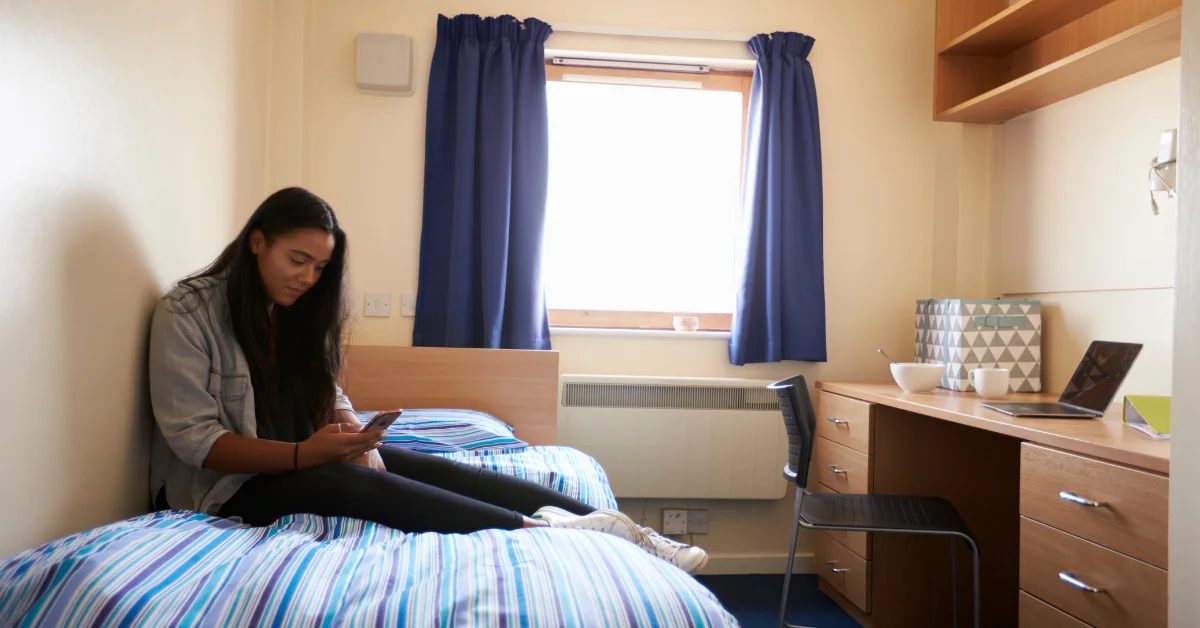
Searching for a suitable place to live is among the most crucial aspects for international students who intend to study in Canada. Canada for international students is known for its diverse housing options and student-friendly cities, making it an attractive destination for those seeking quality education and a welcoming environment. Today, Canada provides numerous options for international students in terms of residing in dormitories, private residences, homestay, and co-living spaces, among others; however, these options differ based on cost, requirements, and lifestyle.
The ever-growing demand for housing within significant cities can be averted by understanding the housing market in order for the international student to plan accordingly before coming to Canada.
The best cities and top cities in Canada offer unique advantages for international students, such as affordability, quality education, and vibrant student life. This guide provides everything you need to know about the process of choosing a living location in Canada, from budget and neighborhood selection to understanding your tenancy and settling in, so you can begin your education in Canada fully prepared.
Key Takeaways
- There are a variety of options available for housing in Canada, including on-campus residences, homestay, and private rentals catering to different budgets and requirements.
- International students can find affordable cities in Canada that offer an affordable cost of living, with a range of housing options, lower transportation expenses, and overall budget-friendly living compared to larger metropolitan areas.
- Information regarding rent, leasing terms, area safety, and tenant rights can guide international students away from potential pitfalls and allow them to make informed decisions.
- Planning early, using trusted housing resources, and building a support network can make settling into life in Canada smoother and more enjoyable.
Related:
- Study in Canada: Requirements, Costs, Intakes & Scholarships
- Why PTE Is Becoming More Popular Among Test Takers Worldwide
Main Accommodation Options for International Students at a Glance
International students in Canada can select from a variety of typical housing arrangements, which may be a combination of convenience, cost, and levels of independence. University residences may be most sought after by first-year international students who come to Canada because these are fully furnished, located close to academic buildings, and an efficient means of meeting new people. Many colleges also provide on-campus housing and support for international students, offering additional affordable options for those seeking convenient accommodation.
Other international students may be interested in living off-campus in a common apartment with roommates, a one-bedroom apartment with a separate bedroom, and a homestay with a host family who may be of assistance with advice about adjustment to a new environment in a new country. Shared accommodations are a popular and affordable option for students looking to reduce living expenses, making them a budget-friendly choice in many Canadian cities.

Typical Cost Range and What Affects Your Rent
The cost of living in Canada is significantly different based on the location, type of housing, and what is covered under your rental agreement with your landlord. Residential facilities within the post-secondary institution cost approximately CAD 3,000 to 7,500 per year, but shared off-campus apartments range from CAD 500 to 1,000 a month for each graduate.
Even if you decide to live alone in a privately-owned apartment, the cost is considerably higher and may begin from CAD 1,200 per month in most cities, considering you are a foreign graduate looking for a comfortable place in a new city with an alien environment with its respective pros and cons.
Homestay solutions can cost you from CAD 1,200 to 1,450 a month with meals included.
All these considerations have a significant impact on what you will ultimately be paying for your accommodation in Canada. International students should also consider living expenses, tuition, and transportation when budgeting for their stay in Canada, as these factors play a major role in the overall cost of living.
Which Housing Type Fits Different Student Profiles
It is a matter of your lifestyle, your budget, and your preferences for support when you arrive in Canada. Students who favor a structured lifestyle with an easy start may be comfortable in residences on-campus or homestay families, which offer meals, support, and a ready-made support network.
Students favoring a lifestyle with budget-conscious options and a flexible lifestyle may favor sharing an off-campus apartment with other classmates. Others seeking a lifestyle with increased privacy, choosing a longer-term Canada stay, may favor a private rental option for increased lifestyle freedoms. Renting a single room in a shared apartment or condo is a common choice for students seeking privacy at a lower cost, as it provides a private bedroom while sharing communal areas like the kitchen and bathroom with roommates.
Homestay families would be an option for those favoring a lifestyle with increased cultural exposure and increased support elements within a home setting.
While prestigious institutions may be located in major cities, students can find suitable housing options regardless of the institution’s reputation.
Why housing is a major concern for international students

Impact of Housing on Study Success and Well-Being
Housing is one of the first significant options international students must choose, and it significantly impacts academic performance. With a stable and comfortable living environment, international students can better concentrate in class, stay healthy, and control stress levels better.
A quiet setting promotes learning, and access to a stable supply of necessities such as heating, internet, and a safe setting provides a smoother transition into the Canadian schooling environment for international students.
Conversely, an unstable living situation, constant travel from one location to another, and an unfavorable setting can easily cloud a foreign student’s mind and inhibit group work participation and a balanced lifestyle.
Limited Availability in Major Student Cities
For instance, some of Canada’s most populous post-secondary education centers, including Toronto, Vancouver, and Montreal, experience a heavy demand for accommodation space because of an increasing student base.
Many post-secondary educational institution dormitories fill up well in advance of the school year opening, and available off-campus rental properties in a convenient location to post-secondary educational facilities quickly get occupied by local and international students.
As a direct result of available options being exhausted quickly, some late-starting students may be left with fewer budget-friendly options available, including having to travel longer distances just to reach their institution of study. Each city offers distinct benefits for international students, such as affordability, cultural diversity, or job opportunities, which can influence where students choose to live.
Rising Rental Prices and Cost of Living Pressures
Rent in big cities in Canada has increasingly been going up, with accommodation being one of the most significant costs for international students. Even shared accommodation and older buildings cost considerably, especially close to some of the most sought-after learning institutions.
International students will need to factor in other costs such as bills, internet access, food, and winter attire, among others, which can quickly add up. As a result of these costs, most international students may need to draw up a budget or settle for options a bit farther from the city centre.
Safety, Scams, and Tenant Rights for Newcomers
Students coming to Canada for the first time worry about safety, especially those who don’t know much about housing regulations in the area they will be staying in. Issues include being able to pick a good area of the city for safety, understanding lock types, and being comfortable with travel options back home late at night.
Some other issues include being a victim of a rent scam – this includes listings, paying a rent ‘refundable’ advance payment before looking at the property, and being misled about what a leasing property looks like. Never send money to a landlord before verifying their identity and confirming the legitimacy of the rental property.
Many international students coming to rent a space in Canada don’t know much about tenant responsibilities, including provincial regulations on deposits, damages, rent increases, and eviction notices.
Types of accommodation available to international students in Canada
International students can choose from a wide array of available options when looking for a place to live in Canada, ranging from traditional residences to co-living and temporary stays, according to one’s budget and preferences. Here are some of the most popular options available, alongside some details about each one.

Purpose-Built Student Housing (PBSH)
Purpose-Built Student Housing (PBSH) is a type of off-campus constructed apartment buildings/unit complexes exclusively designed for housing students. Usually, these complexes come fully furnished with study-friendly rooms, common facilities, and other services such as laundries and common kitchen facilities, and in some cases, social facilities including recreation areas.
A purpose-built student housing provides a ‘middle ground’ solution for those who may be interested in independent living but prefer a student lifestyle. As these facilities house the ‘students,’ they usually offer flexible tenancy options, sharing/single occupancy options, and a ‘roommate matching’ service, especially beneficial for international students who may know nobody in a foreign land.
Living with Relatives or Community Networks
Some students may be able to obtain a place to live by residing with already existing relatives within Canada, or some network within the community, such as family associates, associations within the community, and so forth, often within an immigrants’ group.
Such an alternative may be really beneficial, considering a known cultural setting, comfort levels, and other costs being potentially negotiable.
For new international students, this may be a very convenient transition solution, at least for the initial few months of adaptation within a new environment.
Co-Living Spaces and Student-Focused Rental Platforms
Shared co-living spaces may be in purpose-built residences for students or residences converted into houses/flats.
In a co-living space, the residents live in a shared apartment/house with a common kitchen, living area, and bathroom, sharing costs with a private room each. A shared kitchen is a typical feature in these co-living spaces, allowing residents to prepare meals together and reduce costs.
The factor of cost sharing comes with mingling with fellow co-livers, who may be a good bunch, especially for those who have moved to a new location, such as Canada, alone.
The co-living space accommodation is highlighted in most portals providing residential options for students, including those offering furnished room space and other favorable terms especially designed for international students looking for residences in Canada.
On‑campus accommodation (Student residences)
Campuses in Canada offer common residences on-campus, often university-owned dormitories or townhouse complexes, with furnishings included, and may include utilities, internet access, and meal plans or proximity to dining facilities on campus.
Residences include sharing a room in first-year only and singles only available for upper-year and graduate students, with access to common areas and within walking distance of classes, libraries, and facilities.
Living on-campus is considered the most convenient and secure transition for international first-year students coming from outside the region without established domestic connections of one’s own.
Off‑campus rentals (Apartments, shared houses)
Other than the university dormitories, a number of students choose to live in privately let apartments away from the university environs, which may be an apartment (studio, one-bedroom, among others), shared houses/flats with other roommates.
Renting an off-campus apartment provides a much better level of independence and privacy than a dormitory accommodation and even a shared house/apartment. Sharing an apartment/house is one of the most budget-friendly choices because bills will be split among the roommates.
However, living away may be an ideal choice for you if you can handle chores such as utilities, internet, food, and transport services.
Homestay/host family
Homestay is one of the most warm and welcoming types of accommodation available for new international students. Here, the new student will be staying with a host family in Canada, most likely in a private/singles room, and may be treated to meals (breakfast and dinner, and sometimes lunch) and utilities and internet access, in addition to having a host family available for support during the transition period in the new country.
This is an ideal arrangement for international students who would need a convenient and comfortable ‘home base’ in a new country, rather than having the hassle of cooking, setting up new furniture, and other home needs contained within the accommodation itself.
Short‑term/temporary accommodation
Short-term or Temporary Housing includes furnished rentals, sublets, short-term leases, and other options like serviced apartments offered on platforms. It is a significant factor for incoming students too.
This comes in really handy if you’re moving in ahead of your permanent housing being ready, or if you simply want some exploration time to look at areas, transit access, and potential roommates ahead of settling in.
It offers flexibility, but costs will be steeper each night/month, and you won’t have a fixed, stable situation for longer-term housing.
Costs & budgeting for student accommodation
Average Monthly Housing Costs by City Size
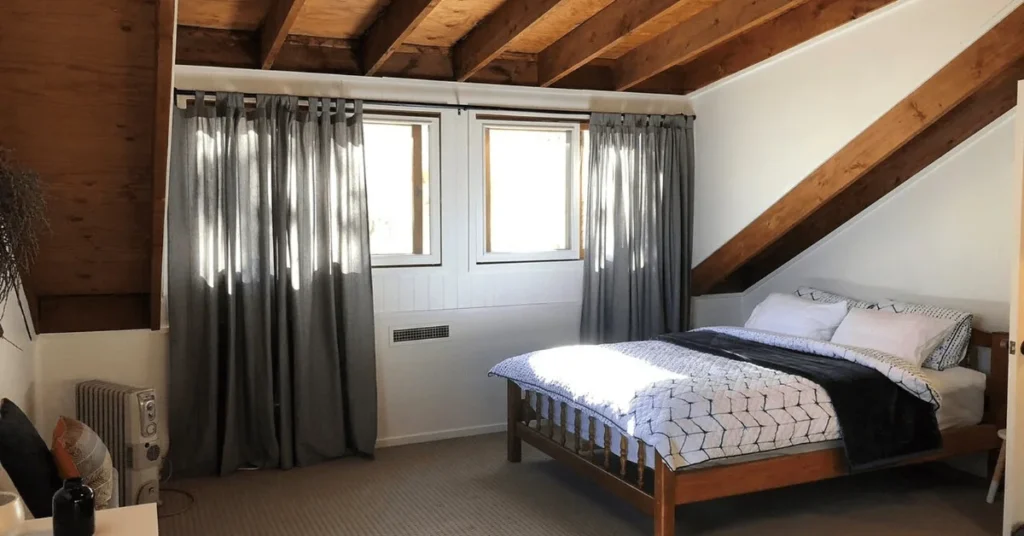
Housing prices for students in Canada may differ greatly based on the location, the type of accommodation, and the size of the town. It is paramount for some students residing in smaller towns or in areas with lower prices to comprehend that prices related to residing both off-campus and on-campus may be considerably reasonable. Some affordable cities in Canada offer lower housing costs, making them attractive options for international students seeking budget-friendly living arrangements.
For example, prices quoted may indicate off-campus prices within smaller towns and mid-sized towns within a cost range of CAD 870-900 per month and CAD 1,110–1,120 per month for on-campus prices.
However, in big cities or big educational hubs, the rent can be significantly higher. Recent statistics show that a dormitory setting or homestay in Canada will cost roughly anywhere from CAD 400 per month up to CAD 1,500+ a month, according to location and facilities.
Sharing an apartment with other classmates outside of a dormitory setting within a big city can cost significantly more; with some big city locations charging a substantially higher ‘price tag’ in comparison to smaller towns within a similar region.
Due to this difference, many students change their expectations according to whether they will be studying within a big city, which is costly, or a small town, which is relatively cheaper with regard to accommodation.
Upfront Costs: Deposits, First/Last Month’s Rent, Fees
Renting Canada can be costly, with rents being just the beginning of your financial outlay. It is common and often a stipulation of the rental agreement that you must pay the first month’s rent and a security deposit, often the same amount as one month’s rent, when you first move in. The security deposit is typically equal to one month’s rent, and some landlords may also require you to pay the last month’s rent upfront in addition to the deposit.
You may need to pay the remaining rent for the last month upfront, especially if you don’t have a rental history in Canada. There may be other costs that you might need to incur, such as costs associated with amenities like parking, storage, or pet deposits, among other costs related to your means of acquiring a new dwelling.
For international students who may come with very little history of rental housing in Canada, these costs can be a significant part of one’s budget, and it’s important to budget ahead of time and save enough funds prior to coming.
Utilities, Internet, and Other Hidden Living Costs
Rent is only a cost among many costs. Many tenancies do not include utilities, internet, and other services, and these costs must be separately covered by the tenant.
Students can expect these additional costs each month: utilities (electricity/hydro, heat, water), internet access, perhaps phone, trash removal, possibly parking, and any building-specific fees for facilities or maintenance.
Due to these additional costs, many people may end up understating their budget when budgeting solely on rent costs alone. Budgeting must factor in all aspects relating to living costs to prevent unexpected bills being incurred.
How to Build a Realistic Housing Budget Before You Arrive
A budget can be realistic for your coming to Canada by first estimating a rent budget based on city size and type of accommodation available (see above), and adding costs for utilities, internet access, food, travel, and other living costs.
For a guideline, you can simply regard your cost of housing, including rent and utilities, only as a component of total cost of living; in other words, your cost of housing should always be 30–35% of your budget.
It’s also a good reminder to factor in the costs of initial deposits, such as the first/last month’s rent and agent/moving costs, in order not to be left stranded with nowhere decent to go due to a lack of ready access to affordable and temporary accommodation options.
Finally, if you intend on working part-time, you will need to budget conservatively for estimated income and factor your budget with allowances for emergency spending, saving, and variabilities within your budget (for example, food, transport, and socializing).
Money-Saving Tips: Sharing Rooms, Meal Planning, and Transit
There are a few good options available for reducing the costs of facilities and living in Canada without diminishing one’s quality of life:
- Sharing an apartment with roommates: This helps cut costs because one can split the rent with roommates, making it much cheaper than living alone.
- Want available units with some furnishing already done, which helps save startup costs related to furnishing, kitchenware, and so on?
- Meal preparation and home cooking instead of dining out: meal preparation saves a considerable amount of food costs, and when added to joint living arrangements, it reduces total expenditures incurred every month.
- Use public transit or a student transit pass, rather than a car: Many Canadian cities have efficient public transit, which is probably much cheaper than car costs (such as gas and insurance).
- Budget rationally and record your spending on a monthly basis: a simple budget sheet can be maintained in order to control your spending on rent, bills, food, transport, and entertainment budgets.
- Start looking for and applying to housing options early so that an excellent deal, whether on-campus or off-campus, often sets the rent amount lower and prevents a late rush and a ‘premium’ cost.
Location and city considerations

Distance from Campus and Commute Time
Living distance from your campus is one of the most key considerations you need to make when looking for a place to live in Canada. Most international students would rather live within walking distance or a bus ride away from their campus so that they can avoid winter travel times and remain connected with what is happening in school.
Living close to your school will save you travel time so that you can attend early classes with ease and join group projects, meetings, and study sessions without worrying about the travel times, especially if you were living in a big city like Toronto or Vancouver, which can be fatiguing and costly.
Access to Public Transport, Groceries, and Services
International students use public means of transport a lot, especially those who live outside the campus. Consider your location by ensuring it is connected with buses, metro lines, and trams so you can access the school, part-time jobs, and errands with ease.
Living in areas close to supermarkets, pharmacies, medical facilities, and banks makes living easier and cheaper. Some areas meant for international students include those surrounded by necessities, which helps cut transport costs and saves time during peak weeks. Consider a location connected by transport, especially during winter when walking is a problem.
Safety, Neighbourhood Reputation, and Student Areas
Safety is one of the most pressing concerns international students face when living in a foreign nation. There are always areas within each city in Canada known for being safe, convenient, and attracted to a significant number of students.
Prior to picking a specific location, you can look up reviews about a neighborhood, enquire with other international students, or contact your school’s residence office for advice about the area’s reputation.
Neighborhoods with high rates of crime and lack of lighting throughout the night would be areas an international student would want to avoid, especially those with late classes and those who come home late in the night.
Climate, Winter Conditions, and Daily Life
Canada is infamous for its cold winter conditions, and climate can be an important factor influencing the locations where students live. Toronto, Montreal, and Ottawa get heavy snowfall, but Vancouver’s winters may be considered moderate, with rainfall being a common factor throughout the year.
Weather conditions greatly impact travel times and heating requirements. Students residing outside the university area and in buildings with poorer heat retention may be hit harder by increased heating costs and tough travel times due to harsh winter conditions.
Others may view winter-free conditions an advantage, especially in cold locations with chances of extreme weather conditions such as snowstorms.
Work Opportunities Near Your Area (Part-Time Jobs)
Part-time employment is an important lifestyle factor for international pupils, aiding with living costs and providing valuable Canadian work experience. When considering locations, a good thing about a new area would be a lack of ‘student jobs’ within a reasonable proximity.
Regions that are close to universities and within easy reach of shopping centres, cafés, restaurants, and other retail or food-service areas are generally more favourable for students due to the abundance of accessible part-time job opportunities.
What to check before signing a lease

Understanding Lease Length, Renewal, and Exit Terms
Before leasing the property, it is crucial to establish the duration of the tenancy agreement, whether it can be renewed, and the terms of termination in cases where you may need to leave the premises prematurely.
A 12-month tenancy agreement is common with most leases among students in Canada, although some landlords will offer an 8-month agreement consistent with the academic year. It is important to establish whether the tenancy agreement automatically renews and whether you need to submit a notice towards the end of the agreement.
The terms of termination differ, although termination of a tenancy agreement can be costly; therefore, the terms must be fully understood by the students.
Security Deposits, Damage, and Refund Conditions
Security deposits or the previous rent of the last month is a common demand when you rent a new place. This is a kind of protection offered by the tenant against any kind of damage in the rented property.
But to avoid any problem, it is always better to know about the giving conditions of this amount when you shift out of the property. It is always necessary to know the norms of your provincial area because norms keep changing from area to area.
What’s Included: Furniture, Utilities, and Internet
Not all rental options in Canada come with furniture and other services included in the rent agreement. Additionally, you need to establish whether the rental is fully furnished, partially so, or empty when you rent it out.
Other services such as electricity, heating, and water may come with the rent or need to be settled separately. This is something you need to establish when you look for a rental accommodation so that you know what you need to factor in your budget.
Inspecting the Property and Documenting Its Condition
Viewing the rental property, whether in person or conducting a video tour, is an important step in leasing a property. It is important for a student to view the functionality of appliances, window functionality, lock functionality, heating functionality, and the cleanliness of the home prior to actually moving in.
Once you have moved in, it is a good idea to document your new surroundings with a photograph or a video tour, so you can show these images to your landlord later on when you eventually leave the home you will be residing in with a new degree of commitment.
Spotting Rental Scams and Protecting Yourself Online
Rental fraud is an increasingly common problem faced by international students looking for a place to rent online before coming to Canada. This is because fraudsters often post pictures of fraudulently rented properties, require deposits before a person sees a potential rental, or post an advertisement about a property that doesn’t actually exist.
But one can protect oneself by never sending funds prior to ensuring the landlord is authentic, actually viewing the property in advance, or having a legal lease agreement signed. Your intuition is a good indicator – a rental offer may be too good, and a pushy landlord can be a problem.
Tips for international students arriving and settling in

Finding Short-Term Housing for Your First Weeks
Many international students prefer the idea of staying in a temporary setting for a few weeks after settling in Canada. This will help you adjust and look around for a better location before leasing a long-term accommodation.
Temporary stays may include staying in an apartment, budget hotel, hostels, and other temporary residences for students. Even though these settings may be a bit pricey each night you stay, they do come with flexibility and won’t stress you out about looking for a new home just a few minutes after you arrive in the country.
Using University Housing Offices and Trusted Listings
A housing office is almost always available within a Canadian university and college which helps new students look for legitimate housing options. They know about available listings, the terms of tenancy, and so on, so you can be sure you will be directed to a reliable one within a convenient location accessible by your school.
Even some offer a room matching service, with a map featuring a student-friendly area within a residential area outside your school.
Joining Student Groups, WhatsApp/Facebook Housing Communities
Online forums for students can be a big help when you look for a new place to live or need tips from those who’ve already faced similar challenges.
International students may contact other students on Facebook, use a WhatsApp group, a discussion forum on Reddit, and even join a group for college students interested in a specific location because they need information about a new home.
When you connect with other students ahead of a situation, you’ll know you’re not alone and can gain access to exclusive tips about a situation outside what’s available on a professional page about housing options available.
Understanding Canadian Tenant Rights and Responsibilities
There are specific tenants’ and landlords’ legislation in the Canadian provinces, meant to serve both sides, but these can be surprisingly different from the legislation in your home country.
It is significant for you to be aware of your respective rights concerning deposits, the given notice period a landlord may use prior to rent increases and entry into your dwelling, and your respective obligations concerning repair work and maintaining the space.
Having elementary information about your respective obligations, including maintaining cleanliness in your space, paying your rent on time, and abiding by quiet hours, will serve you with a hassle-free tenancy with your landlord and other residents.
Building a Support Network with Roommates and Neighbours
The initial few months in Canada can be very confusing, but developing a network of people during this period is a huge advantage. Your roommates, neighbors, and classmates can be your first support group in a new country, helping you adjust well to your surroundings and reducing your level of homesickness.
Living with your roommates means you need to communicate with them about things such as cleanliness, finances, and study routines.
Having cordial relations with your neighbors will help you gain insights about your surroundings and boost your confidence level in your new home, Canada, because you will be a part of a support network in your educational setup in Canada.
Common housing challenges and how to handle them
Overcrowded Housing and Unfair Rules
Sometimes international students will encounter overcrowding or mismanaged living conditions, especially when sharing an apartment in a big city. This can be due to an owner overcharging other people into a space so they can get rent from more people than is legal, creating a potential danger and a lack of privacy for residents.
Unfair terms may include being restricted from being too noisy, unscheduled inspections of a room, and curfews, with these terms being present in an illegal rather than a legitimate rental space.
To be placed in a situation you dislike, you can contact your school’s housing department about a space’s legal room limit and look out for an unfairly low rent being offered for a space with a vague listing.
Conflicts with Roommates or Landlords
It can occur due to matters related to housekeeping, noise levels, visitors, billing, and lifestyles. It is recommended that both roommates communicate about these matters from the first day itself.
With regard to landlords, some common sources of conflict may be related to renovations, delays in renovations, and misunderstandings with regard to leasing terms and conditions. To avoid any potential conflict with regard to these matters, maintaining a record of communication, repair requests, and payments can be very helpful in the event of a dispute.
For assistance with regard to these matters, both renters and landlords can contact housing counselors from the college, along with a tenant board in each provincial region, who can offer assistance for free.
Rent Increases and When to Seek Help
Rising rent is a pressing concern for foreign students, especially in big cities, where the cost of living is increasingly going up with each passing day.
Landlords have some terms and conditions set by each province of Canada on which they can increase the rent and with what frequency, irrespective of the tenant being a foreign national or a domestic one.
If you, being a foreign student, notice a significant increase in your rent with an incorrect notice period, you can consult the concerned foreign tenant authority, foreign legal aid services, and foreign housing departments in your institution for verification of an increase in rent according to your provincial norms.
FAQs
Can I rent an apartment in Canada without a Canadian credit history?
Yes, you can. Many foreign students live in rental properties without a local credit history, although additional requirements may be required, such as proof of enrollment, a guarantor, bank statements, or an advance payment.
When should I start looking for accommodation?
As for enrollment in the fall semester, most prospective students begin looking about 3-4 months ahead of the opening of classes. And even dormitory space may be taken up much earlier than that.
Are pets allowed in student rentals?
Pet restrictions differ from one building to another. Pets are allowed in some buildings, but pets must be prohibited in other buildings. If you will be bringing a pet with you or you will be getting one, just be sure to know the details about pet restrictions in advance so you won’t be penalized with eviction because of a prohibited pet.
Conclusion
Access to a good dwelling is one of the core components of a positive and stress-free learning experience in Canada. By being informed about your housing options, budget considerations, and understanding how to assess a neighborhood and a tenancy agreement, you can significantly reduce potential risks and start feeling right at home from the very beginning. Regardless of which option you choose, a shared apartment, homestay, or residence, the ideal surroundings can be a significant factor in facilitating your ability to concentrate, thrive, and integrate in the long run.
With the right preparation and understanding of tenant entitlements, you can definitely cope with theCanadianhousingmarket and fully reap the benefits of being a student.

Moni Vuong
PTE Magic
My name is Moni, and I am a seasoned PTE teacher with over 6 years of experience. I have helped thousands of students overcome their struggles and achieve their desired scores. My passion for teaching and dedication to my student’s success drives me to continually improve my teaching methods and provide the best possible support. Join me on this journey toward PTE success!
Related Blog
02 Sept 2026
PTE Essay Topics 2026: 60 Questions
02 Sept 2026
PTE Exam Pattern 2026: Full Test Structure
02 Sept 2026
PTE Summarize Group Discussion Template
Frequently Asked Questions
What’s the difference between PTE Academic and PTE Core?
What is PTE Exam Structure and Duration?
How is PTE exam scored?
What tasks are included in PTE Academic?
What tasks are included in PTE Core?
How long is the score valid?
Where can I book PTE Academic and PTE Core exams?
How much does the PTE exam cost?
How can I prepare for the PTE Exam?
Subscribe to our newsletter.

PTE Magic Practice Platform is an AI-powered PTE test prep platform that helps you achieve your desired score with exam-like questions, instant AI scoring, and personalised feedback. Achieve your best PTE score with targeted practice and proven strategies.