Checklist For Moving to Australia As An International Student: Dos & Don’ts
13 Jan 2026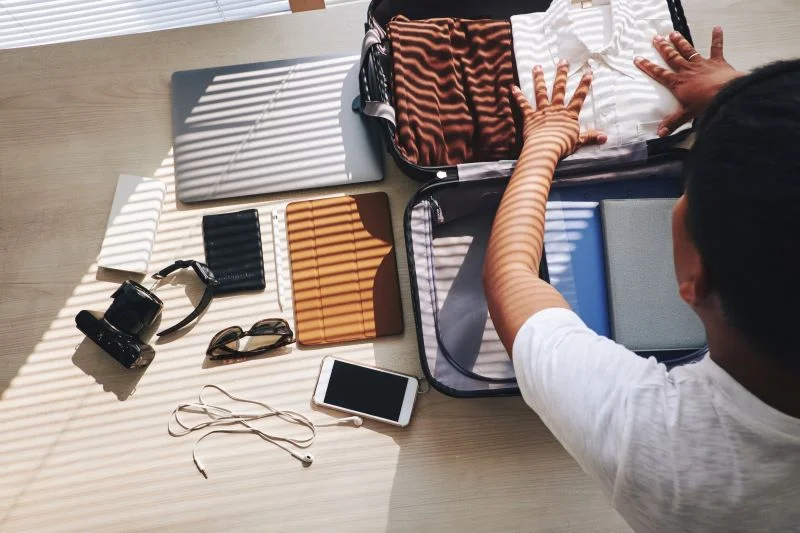
With its rich cultures and prestigious universities, Australia has emerged as a preferred choice for international students. Not only can you experience a world-class education, but you can also obtain an internationally recognized degree from an accredited Australian institution. There will be a lot of things to do if you’re considering moving to Australia to continue your higher education. To help you avoid the hassles, we have made this checklist to be your companion!
When to Prepare to Move to Australia As An International Student
As an international student, you should start getting prepared to move to Australia as soon as you receive your offer, or at least 3 to 6 months prior to your departure.
That is because some tasks you do during your preparation can vary a lot in terms of processing times and sometimes, delays happen. All these issues can cause an unwanted prolonged preparation. For example, processing times for your student visa vary significantly from 1 to 12 weeks. So, applying well in advance is recommended, especially when you are from outside Australia.
In fact, early preparation can spare you time for other things like family and friend gatherings before you leave. Besides, as soon as you have finished preparation properly, you can depart to Australia long before your course or semester starts.
Generally, we suggest you arrive at least 3 weeks before your course or semester starts. This will allow you time to get settled, socialize and explore the city. Additionally, you will be able to attend the Welcome and Orientation Programs, which are important to help you familiarize with life and study at the university, especially as these events are often scheduled just before the start of the semester.
Pre-Departure Academic Preparation
Organize Your Academic Documents
Collect all the necessary academic documents such as your academic transcripts, enrollment letter, passport and student visa.
You need to maintain copies of your documents and keep them both physically and digitally in a different, easily accessible folder. Moreover, it is best to keep them in your carry-on luggage because of their importance.
Understand Your Course Requirements
Each course may have different requirements yet there are common requirements you must meet:
- Have finished the prerequisite coursework, such as 12th grade tests, for the course you’re applying for
- Meet a minimum GPA
- Demonstrate English proficiency through a test like IELTS, PTE, or TOEFL
Meeting these requirements makes you eligible for enrolment in your chosen course.
Prepare for English Placement Tests
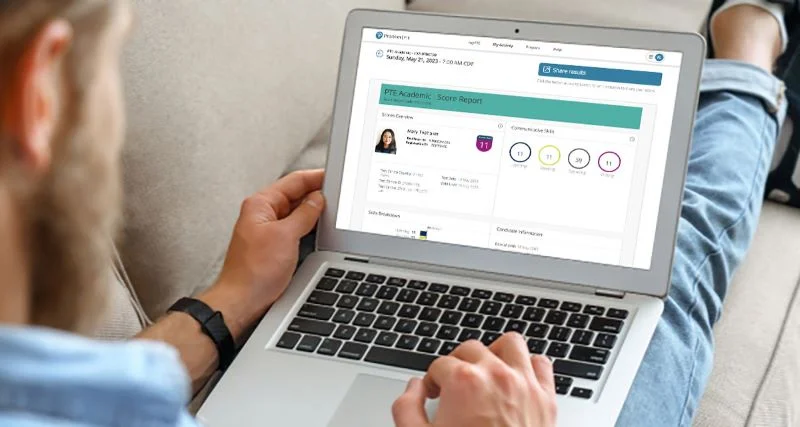
As mentioned above, taking part in English placement tests are necessary to meet your course requirement. You can take a test a year before your departure as that test has a long period of validity. For example, a PTE Academic score is generally valid for two years from the test date for university admissions.
In case you fail to meet the score requirement, you will have time to retake the test. You just need to know to do it successfully in the second round as no one wants to keep redoing this while there are other important things to finish!
Learn more about How to Bounce Back After Failing the PTE Test the First Time!
Moving to Australia As An International Student: A Detailed Checklist
Confirm Your Passport’s Validity
Your passport serves as your entry ticket to Australia. Your dreams will be put on hold without it. Therefore, renew your passport immediately, if it is going to expire in less than a year. Don’t wait until the very last minute as you might forget.
Keep in mind that once you are abroad, renewing your passport will be more challenging, So, do it while you are still in your home country.
Apply for the Right Visa
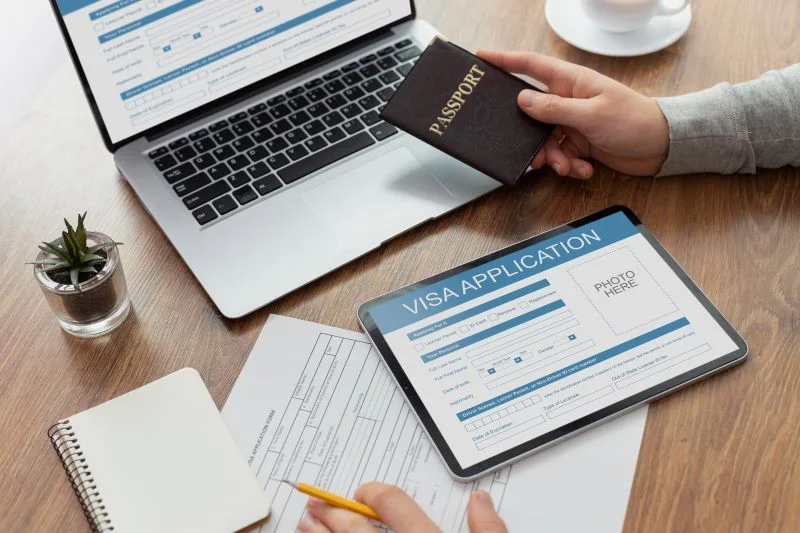
International students are allowed to come and study in Australia under the Subclass 500. This visa includes all forms of education, including higher education certificates, vocational training programs and postgraduate study.
To apply for the visa, you must have a Confirmation of Enrollment (CoE), which serves as the evidence of your official acceptance into an Australian educational institution. Once you’ve got the offer and deposited your intuition fee, you can start applying for a visa.
You can study in Australia for a maximum of 5 years after the visa is approved. Furthermore, you can work a few hours while you are in school. Yet, the part-time work rules are very strict. Thus, read the requirements carefully to prevent yourself from breaching the law and bearing the brunt.
For further information on student visa requirements, visit the official Australian immigration website or consult your university’s international office.
Buy Your Health Insurance
Health insurance is the cornerstone for international students in Australia. Without it, medical costs could put you in debt. For this reason, the Australian Government mandates the Overseas Students Health Cover (OSHC). In fact, it is an obligation for you to have it before you are granted the student visa.
OSHC covers basic medical services and hospital treatments. However, it has limitations and exclusions. For more OSHC details, check out our article here!
What’s more, you can buy a travel insurance policy to cover you for lost baggage, delayed flights or lost valuables.
Understand Australian Laws & Student Rights
As you can see, there are a lot of legal requirements for international students in Australia. Those aforementioned requirements are for before you come to the country and in the next part, you will learn what laws and rights apply for you when studying there.
Know Your Work Rights
Many international students will find a part-time job to gain money or experiences. It is useful and allowed under Australian regulation. However, you must remember your ultimate goal when coming to the country is to study, not work.
The Australian Government agrees with that as they put some restrictions in place to limit your hours worked. That will help prevent bad impacts from disrupting your academic plan.
Moreover, you will be protected under the law the same as native workers. So, make sure you learn and understand your work rights to avoid disturbing situations.
Learn About Tenancy Laws
Accommodation is a big concern for all international students. If you live with your family and friends or get accepted into a campus, you can skip this part. Only those who plan to rent a place need to learn about tenancy laws.
Similar to your part-time work, being a tenant in Australia entails responsibilities and rights. You need to work with your landlord to maintain a valid contract. We recommend hiring a broker to help you arrange everything or get help from them when you need it.
Know Your Consumer Rights
The rights of Australian consumers, including those of international students, are safeguarded by consumer protection legislation in Australia.
You can get consumer assistance from your local state and territory consumer protection agency if you have an issue with a good or service that you have purchased or wish to purchase.
Here are what you can get:
- Information about your consumer rights
- Recommendations regarding a product or service you are purchasing or have already purchased
- Information about how a business operates and behaves in accordance with the law
- Instructions on how to file a complaint about a business.
Open Your Overseas Bank Account
A local bank account in Australia can help you manage your funds and pay bills effectively and affordably. Many banks allow you to open their accounts online before you go to Australia. Yet, you will need to visit a branch to activate your account.
Even better, some banks offer deals and perks tailored to international students. Their international students give you access to many unique services like reasonable exchange rates, multilingual support, mobile device integrations with the card, etc. All these benefits make your financial activities and management much easier and more accessible.
Learn more about: The Trusted & Affordable Bank Accounts For International Students In Australia.
Sort Out Your Mobile Plan
In addition to a bank account, it is highly recommended for international students to buy a local SIM card when studying in Australia. This makes it a lot easier for you to connect with people in the country or outside.
Notably, some Australian mobile network providers offer special deals and plans for international students. These packages are customized to make calling, texting or internet roaming more convenient for you.
For example, you can make phone calls to your family back home for free or at reasonable rates. Besides, with an Australian number, you can call an emergency hotline or increase your credibility with your employer when looking for a part-time job.
Similar to your bank account, your SIM card can be purchased online before you leave for Australia. Yet, you also need to visit a branch to activate your SIM card to use the provider’s services.
Learn more about: The Best SIM Cards For International Students In Australia.
Book Your Travel and Accommodation
You can book your flight to Australia after you have done your preparation or a few days before that. It is not a big deal to get a flight ticket nowadays but it is always best to do things well in advance. As that will leave you some time and space to fix things up if anything unpleasant occurs. Melbourne is one of the most popular arrival cities and study destinations for international students, so consider booking your flight there if your university or college is based in the city.
The next thing to take care of is your accommodation, which is a bigger concern than a flight ticket. If you can share a place with your relatives or friends, it will be the most comfortable. Otherwise, securing a place on your own can be tiring.
The best solution is to apply for a place on campus. Campus living is great because it is safe and good for making new friends. However, this option is very competitive due to its magnificent benefits. Thus, you must apply for it in advance and hope for positive outcomes!
The other solution is to find an apartment or a shared flat. It would be nicer that you get help from a broker. They can help you find a reliable place and arrange a proper contract, ensuring you won’t be scammed or lose any rights.
Get to Know Public Transport
Public transport is definitely the ultimate option for international students to commute to school thanks to its affordability and wide networks. It might seem like a no-brainer but learning about public transport in Australia can be beneficial.
Specifically, knowing which options are available will help you make a plan for moving to your accommodation swiftly right after you leave the airport. For example, if you arrive at Melbourne Airport, you can take advantage of its convenient terminal layout and various transport options, such as SkyBus, public buses, and taxis, to reach your destination. Then, you will have more time to unpack, rest and take part in some entertaining activities.
Moreover, if you choose it as your primary means of transport, you can register for a travel card online and get discounts for students only. You may need to provide enrolment proof when registering to access these student discounts.
Safety & Emergency Preparation
Australia routinely ranks among the safest nations in the world and is generally a very welcome and safe place to live and study. Yet, it won’t hurt when you have some safety & emergency preparation. Here is what to do:
- Set Up Emergency Contacts: You should keep some important numbers in your phone and save them as your emergency contacts such as emergency hotlines (like 000), your landlord’s number (if you are renting a place), your school advisors’ numbers, etc.
- Download Essential Safety Apps: If you find yourself in a risky or emergency scenario, safety apps are a useful tool. Some of the choices are Emergency+, Sonder and St John Ambulance First Aid.
- Learn Local Emergency Numbers: There are national emergency hotlines that you can use. Yet, searching and saving necessary local emergency numbers would be more useful as you can get quicker help from the establishments in your neighborhood. These could include numbers from local police, fire and ambulance stations.
Cultural Preparation Before Flying
Culture shock is a common issue for not only international students but also other people when moving to a new country whose cultural environment is different from theirs.
That’s why you should have cultural preparation to help you adapt quickly to your new life in Australia. Here is what to do:
- Learn Australian Etiquette: Some will wait until they come to Australia to enjoy and experience the culture as part of their adventure. However, it is always best for you to be proactive to adapt to new changes. This means you should start learning about Australian etiquettes before coming there.
- Familiarize Yourself With Local Slang: English is the common language in Australia. Yet, Australian English has some differences from the language you have learned. So, it would be ideal to research the local slangs or common terms that native speakers usually use to avoid miscommunication.
- Research Your City’s Cost of Living: The cost of living in your city may tell you the living standards there. Understanding this allows you to well manage your finances and adjust your lifestyle.
- Understand Food Regulations and Local Grocery Options: Australia has strict biosecurity rules about what food items can be brought into the country. Research which foods are allowed, and explore local grocery stores and online shopping options in your city to plan for your food needs.
Plan Your Budget & Start Saving

Last but not least, we should discuss your financial preparation. Studying in Australia is not cheap. You will have to pay for rent, bills, textbooks, transportation, internet, groceries, and more in addition to tuition and other legal procedures.
So, you need to plan your budget strategically with discipline being the key. Here are some tips:
- Make use of a budget planner
- Keep track of every penny you’ve spent
- Aim for special students deals or discounts, like those for mobile phone plans, back accounts, travel, etc.
- Separate needs and wants
- Stay organized with spreadsheets or finance apps
Now, you can start saving money after establishing your budget plan. Monthly contributions or cutbacks on unnecessary spending are the things to do. In addition, applying for and winning a scholarship is another smart way to help with your budget.
Having redundant funds and a thorough financial plan will give you peace of mind when moving to Australia as an international student.
What to Bring When Flying to Australia
When the time is near, you can start packing your bag. Make a list of your necessities to make sure you won’t miss a thing. A tip for you is researching the average temperatures in your area of Australia to choose whether to bring clothing for hot or cold weather.
That’s for your main luggage! And for your hand luggage, you can pack in:
- Your passport and visa documents
- Some clothes to change in case of any delays
- Hygiene items like a toothbrush, toothpaste, deodorant, etc.
- A pen to fill out the incoming passenger card
- Any prescription medication
- A list of emergency contact details including a family member, your education provider and education agent (if any)
- Cash (if you are carrying cash, be aware that you must declare amounts of AUD 10,000 or more at customs when entering Australia, as per Australian biosecurity and customs regulations)
Importantly, check the baggage allowance offered by your airline. Compared to paying for an overweight or additional luggage at airport check-in, some airlines offer a cheaper solution which is to purchase extra baggage online.
What’s to Do Next After Arriving In Australia
Leave the Airport for Your Accommodation
After arriving at the airport, you will go through the border clearance. Make sure you have all the documents to help you clear immigration without hassles.
Next, collect your luggage and check to ensure nothing is missing. Then, you can finally leave the airport for your accommodation. Based on your previous research, you can arrange any means of transportation that fit your needs. Once you get there, it is time to start settling in your new place.
Well, your journey as an international student in Australia has officially started!
Explore Your City
It is nice to spend some time exploring your city and discovering some great places for groceries or entertainment. We recommend you do that with your friends or people who are close to you.
Strutting on your own would make a great adventure but “Safety First”, especially for a newbie like you. Therefore, find a company and better yet, a city guide to lead you through the hustle and bustle of the place.
At the same time, you can try public transport to see how it is running and familiarize yourself with it. It is a great idea if they are your daily commuting method to school.
Activate Your SIM Card
When you are on the adventure of city exploration, you can spare some minutes and drop by the provider’s branch to activate your SIM card. The staff will get everything done for you. They just need some basic information from you like name, passport number and an Australian address. In a few minutes, your SIM card is ready to use!
Now, you can make a phone call to your family and inform them that you have arrived safely!
Verify Your Bank Account
Next, you can come over to a bank’s branch and verify your account. You need to provide them with necessary documents to facilitate the process. Remember to use your new address after you have sorted out your new accommodation.
Within a specified range of days, if you don’t visit a branch for account verification, the bank will prevent you from making any transactions and eventually, close your account.
As a result, take your time to get things done. It will only take a few minutes just like when you do with your SIM card.
Update Your Information
Once you change your accommodation, own a new phone number or bank account, you must update your personal information. You need to inform your university and update any new details in your student portal or tell your family or close friends to keep them connected.
If you don’t take this step, you run the danger of missing communications and may experience some unpleasant headaches while studying in Australia. Even worse, penalties could arise from failing to update information as the Australian government takes student tracking seriously.
Attend Your First-Week Events at Your University

All the universities hold Orientation and Welcome Week for their newly-enrolled students, both international and native ones.
There will be many events held during this first week. You are expected to join to learn about your university, life as a student there and sign up or get access to any necessary services like library or cafeteria.
This is also a good chance to meet new people and make some friends. Being confident and active will help you better adapt to your new life here in the university particularly and Australia generally.
How to Adapt to Your New Life
Adjust to a New Time Zone
The changes in your time zone can affect both your mental and physical health. Therefore, to lead a new healthy life, you need to quickly adjust to your new time zone. To achieve that, you should:
- Reset your body clock by spending 15 to 30 minutes in the sun each morning
- Start adjusting your sleep schedule to accommodate the new time zone before our departure
- Stay up till your local bedtime to help your body acclimate to the new time zone
Speaking with loved ones back home is obviously challenging due to the time difference, but if you plan ahead and find a time that works for everyone, you can talk without getting up early or staying up late.
Cope With Mental Health Issues
Huge changes in your life can have a great influence on your mind. A lot is definitely going on in your head at that moment. Then, there come the feelings of loneliness and homesickness in your heart as you are somewhere really far from home.
It is normal if you feel that but don’t normalize being blue all the time. That is not good for your mental health. You need to get up and find something to do to clear your mind. Just know that you are not alone since many have gone through your situation. So, talk to them or people who are meant to help you with that like school counsellors.
Enjoy Every Second!

When you are done with emotional moments, let’s go out and enjoy your new journey. Take the chances to learn and explore every aspect of your new life. Don’t hesitate to try and fail! All the bruises will teach you lessons that you may not get from elsewhere.
There might not be another opportunity like this, so make every second worth your long-time efforts.
Long-Term Life Planning in Australia
When you have successfully adapted to your new life, it is now time to make a plan for your long-term staying in Australia.
Plan Your Part-Time Work Strategy
You are allowed to work a part-time job while studying in Australia. Yet, it is only possible when your course has started, according to the regulations. Moreover, there is a work-hour rule to limit you to work under 48 hours every 2 weeks.
Under Australian laws, you are entitled to every right and hold every responsibility as an employee, regardless of your international student status. Learn more about The Part-Time Work Rules For International Students In Australia (Latest Updates).
Accordingly, when you are working and earning income, you are bound to pay taxes as native workers. To pay tax, you must set up your TFN (Tax File Number), which will give you access to Australia’s tax and superannuation systems.
Any violations of the law can lead to heavy punishments, so take your time to research relevant information and abide by them!
Budget for Renewing Visa or PR Pathway
With an income from your part-time work, you can start saving money for bigger purposes, apart from daily spending, like renewing your visa or applying for PR (Permanent Residency) Pathway.
Some international students may decide to stay in Australia after graduation to work. That is possible as long as you strictly follow the rules.
After graduation, you must apply for a Temporary Graduate visa (Subclass 485) before you apply for permanent residency (PR) in Australia. You can then choose to apply for an employer-sponsored PR visa or a skilled migration visa.
The cost to apply for a permanent residency pathway in Australia after graduation might vary based on the visa subclass and your unique situation. Typically, it costs between AUD $7,000 and $10,000 for a single applicant.
Build Your Local Network
Socializing is a key step for you to adapt to your new life in Australia. When you first get to the country, it is easiest to make friends with people from your university.
However, when later on your time there, you may need to build a larger network outside your school, which includes people from your neighborhood or your workplace.
Especially, having great bonds with professionals in your study field will be very beneficial. For example, you can ask their support for study projects and better yet, an internship or a job afterwards.
Final Words
Australia has an unparalleled multicultural environment, stunning scenery, and top-notch education. Planning is the first step towards your journey of exploring the country. This checklist can serve as your launchpad, not just a list.
We hope you find this checklist useful while relocating to Australia as an overseas student. Keep in mind that everyone has a different budget and way of life, so combine your personal needs and our checklist to create your own guideline!
FAQs
1. What to do if you arrive late for Orientation Week?
If you arrive late and are unable to attend Orientation Week, there something you must do to regain what you have missed:
- You can go to Student Center to find information about your course as you were absent from the course advice session
- Go to your university’s website to set up a password for your student account, which gives you access to the online portal
- Finish your enrollment. If you are unsure how to do that, you can ask school counsellors for support
- Check out the campus map for directions on how to find all your class rooms
- Obtain your student ID card from the Student Center
2. Are there any vaccination requirements for international students coming to Australia?
Before entering Australia, you might need to get vaccinated, particularly if you plan to study in a public health facility. For instance, in New South Wales, undergraduate and graduate students employed in a clinical setting must turn up their complete immunization records.
The World Health Organization and the Centers for Disease Control and Prevention advise you to Australia to receive a complete COVID-19 immunization as well as vaccinations against hepatitis A and B, rabies, measles, mumps, and rubella (MMR), and chickenpox.
3. What are restricted items for bringing to Australia?
The government’s “potentially hazardous” list contains more than 20,000 goods. Fresh fruit, homemade cuisine, raw nuts, eggs, and dairy products are the most frequently banned items. Certain medications and tobacco are also forbidden imports. Check the list and leave all the prohibited ones at home.

Moni Vuong
PTE Magic
My name is Moni, and I am a seasoned PTE teacher with over 6 years of experience. I have helped thousands of students overcome their struggles and achieve their desired scores. My passion for teaching and dedication to my student’s success drives me to continually improve my teaching methods and provide the best possible support. Join me on this journey toward PTE success!
Related Blog

28 Jan 2026
How To Study In New Zealand As An International Student

28 Jan 2026
How To Find A Job In New Zealand As An International Student

28 Jan 2026
New Zealand Accommodation Guide for International Students
Frequently Asked Questions
What’s the difference between PTE Academic and PTE Core?
What is PTE Exam Structure and Duration?
How is PTE exam scored?
What tasks are included in PTE Academic?
What tasks are included in PTE Core?
How long is the score valid?
Where can I book PTE Academic and PTE Core exams?
How much does the PTE exam cost?
How can I prepare for the PTE Exam?
Subscribe to our newsletter.

PTE Magic Practice Platform is an AI-powered PTE test prep platform that helps you achieve your desired score with exam-like questions, instant AI scoring, and personalised feedback. Achieve your best PTE score with targeted practice and proven strategies.